
Call Us Now
0131 510 8555
01368 908 222
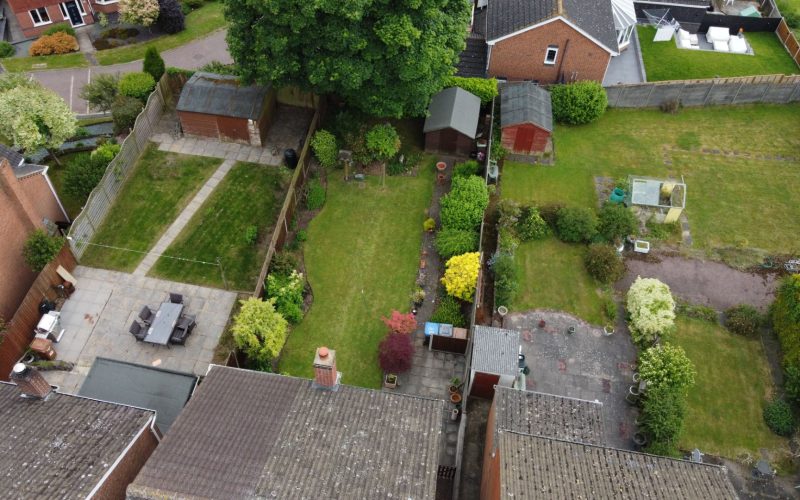
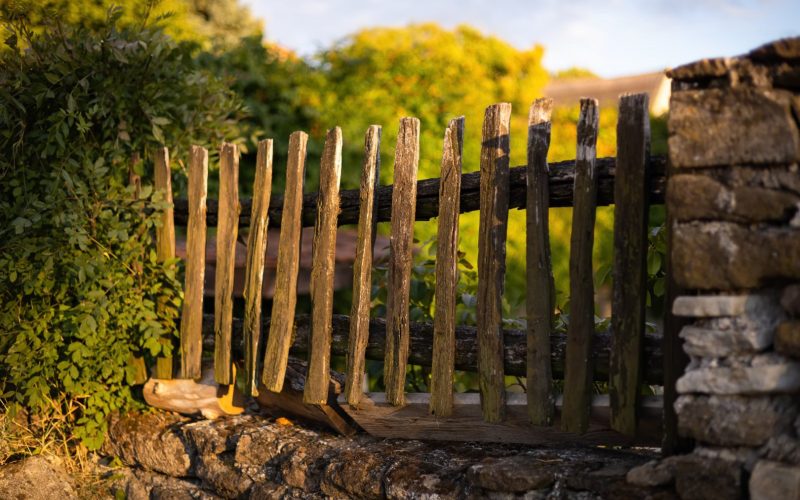
Planning Permission for Fences, Gates, and Walls: Edinburgh and Other Conservation Areas
Are you planning to alter, replace, or build a new boundary wall, fence, or gate at your property? Upgrading your boundary treatments is an excellent way to improve your home’s security, privacy, and kerb appeal. However, if your home is situated within one of Edinburgh’s 50 designated conservation areas, such as Morningside, Portobello, Trinity, or the New Town. The rules regarding external alterations are significantly stricter than elsewhere in Scotland.
Many local homeowners find themselves caught out by these regulations, asking: “Do I really need planning permission just to replace a garden fence?” or “What materials will the council actually allow me to use?” At ABC Architecture, we make the process simple. Below is a practical guide to understanding boundary treatment rules in Edinburgh’s conservation areas and how we can help you navigate the paperwork. Here’s a link to other commonly accessed architectural services in Edinburgh.
What is a "Boundary Treatment"?
In architectural and planning terms, a boundary treatment refers to any structure used to demarcate the perimeter of your land. This includes:
In standard residential areas across Scotland, many minor boundary changes fall under “Permitted Development,” meaning you do not need formal planning permission if the structure stays under a certain height. However, within a conservation area, these standard rights are heavily restricted or completely removed to protect the historic character of the local streetscape.

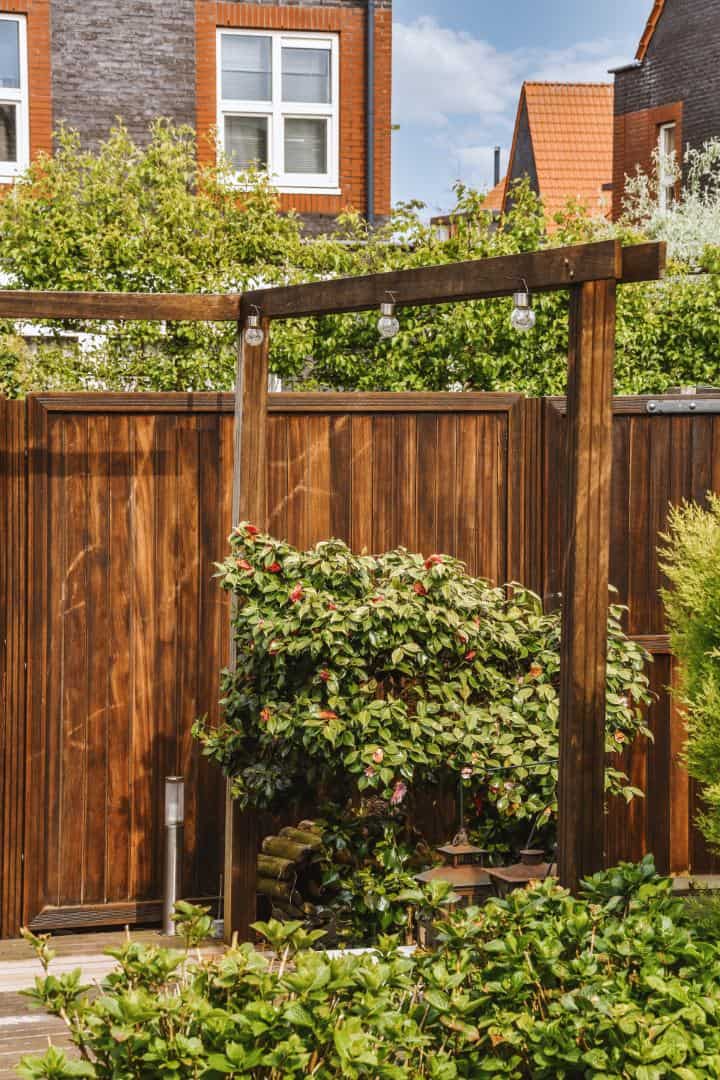
Fences and Walls in Conservation Areas: What are the Rules?
The City of Edinburgh Council pays close attention to boundaries because they form the visual framework of our historic neighbourhoods. A cheap timber lap-panel fence or an overly high modern gate can completely disrupt the character of a stone-built Victorian or Georgian street.
We deal with window alterations in restricted areas in a separate article here : Window Alterations: Listed Buildings and Conservation Areas.
If your property is in a conservation area, you will generally need to apply for formal Planning Permission if you intend to carry out any of the following works:
1. Erecting a New Structure or Raising the Height
You will almost always require planning permission if your new fence, wall, or gate exceeds 1 metre in height anywhere it adjoins a road or public footpath.
For boundaries that do not face a road (such as a shared rear garden partition), the threshold is usually 2 metres, but strict council guidelines on overshadowing and historic materials still apply.
2. Altering an Existing Boundary
Even if you are simply replacing an old, rotting timber fence with a new one of the exact same height, you may still need planning permission if the material or design changes significantly.
The council prefers like-for-like replacements that respect the original design of the property.
3. Demolishing an Existing Wall or Fence
This is where many homeowners run into trouble.
If you wish to tear down an old stone boundary wall to create a driveway or open up your front garden, you may require Conservation Area Consent for the demolition, in addition to standard planning permission for any new structural openings.
Removing traditional stone walls is heavily discouraged by local planning authorities.
Materials and Design: What Gets Approved?
When we submit a planning application for boundary treatments in Edinburgh, the council evaluates how the proposed design impacts the local environment. To give your application the best chance of success, we focus on specifying high-quality, authentic materials.
Traditional Stone Matching
If you are repairing or extending a boundary wall, the council will expect the use of natural stone that matches the colour, texture, and coursing of the existing wall. Traditional lime mortar must be used rather than modern cement, which can trap moisture and damage historic masonry.
Timber Fencing
While cheap, generic panels are rarely approved for front gardens in conservation areas, bespoke timber fencing often is. High-quality vertical timber slatted fencing, painted or stained in subtle, heritage tones (like anthracite grey, dark greens, or off-whites), is generally viewed favourably if located in less prominent rear gardens.
Railings and Gates
For properties that historically featured ironwork, installing low stone plinths topped with traditional black iron railings is a highly successful way to restore a property’s original character. If you are adding driveway gates, the council prefers simple, understated timber or metal designs that do not entirely block the view of the property from the street.
How ABC Architecture Makes the Process Simple
Navigating council guidelines, drawing accurate site elevations, and submitting formal applications can feel like a daunting process. Our team has over 35 years of combined experience dealing with the City of Edinburgh Council’s planning department, and we manage everything on your behalf.
Our straightforward process includes:
-
Initial Site Consultation: We visit your property to measure the existing boundaries, assess the local street character, and discuss what you want to achieve.
-
Feasibility & Design Advice: We advise you honestly on what the council is likely to accept or reject based on recent local decisions, helping you avoid costly layout mistakes.
-
Detailed Architectural Drawings: We produce accurate, scaled existing and proposed elevations, site plans, and material specifications required by the planning portal.
-
Application Management: We lodge the planning permission and Conservation Area Consent applications for you, handling all correspondence with the local planning officer until a decision is reached.
Unsure if your boundary project requires permission? > With our upfront and honest attitude, you have nothing to lose. Get in touch with Steven or Fraser today for clear, plain-English advice on your property’s boundaries.