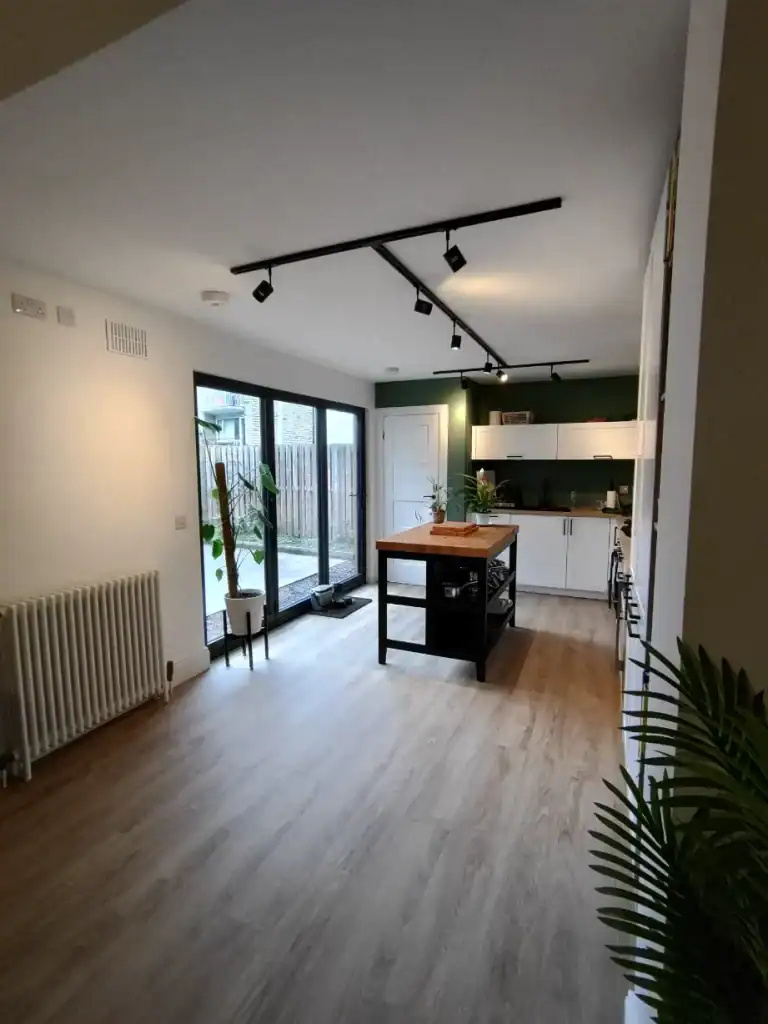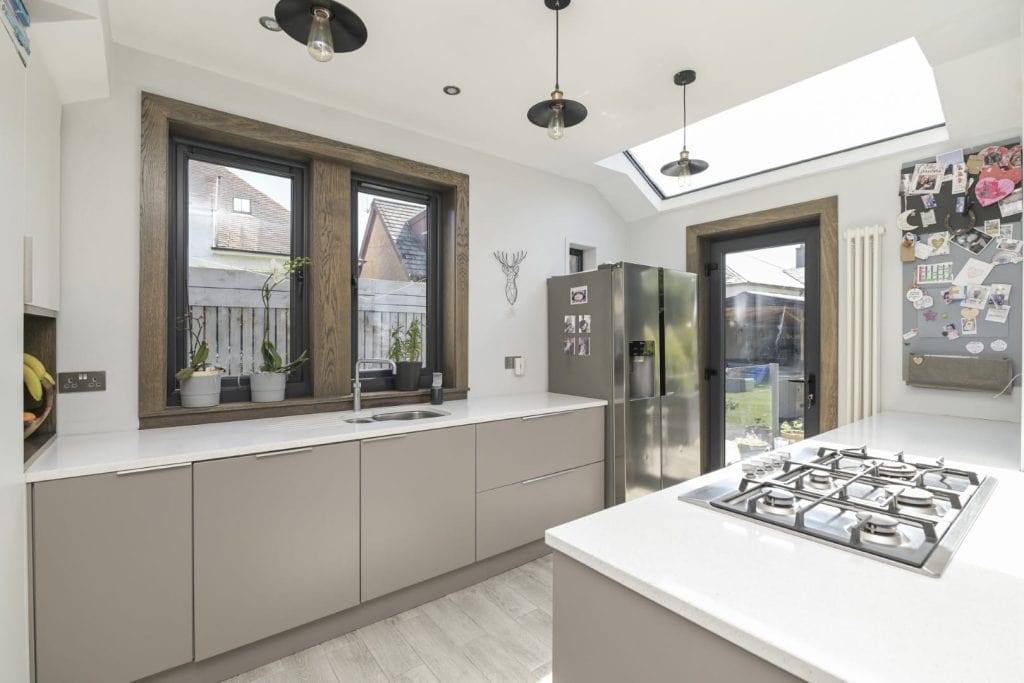


Contemporary kitchen with beige cabinets, open shelving, and a central island for meal preparation and socialising.

Window Alterations: Enhancing Comfort in Historic Homes

Maintaining a historic property in Scotland, whether it’s an Edinburgh tenement, a coastal home in Fife, or a traditional townhouse in Glasgow, comes with a specific set of responsibilities.

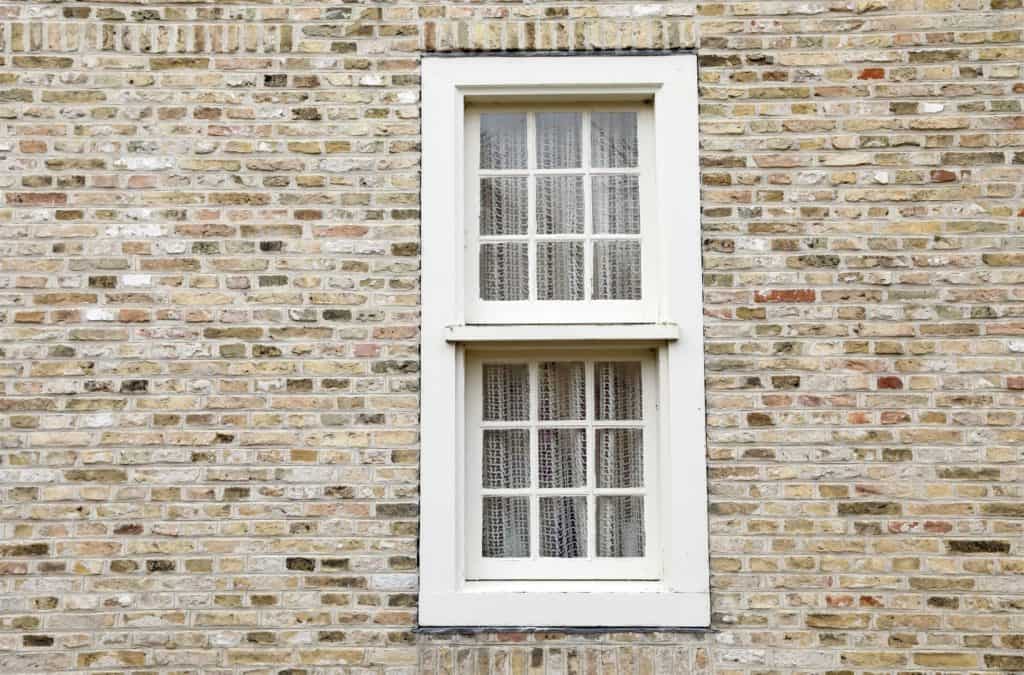
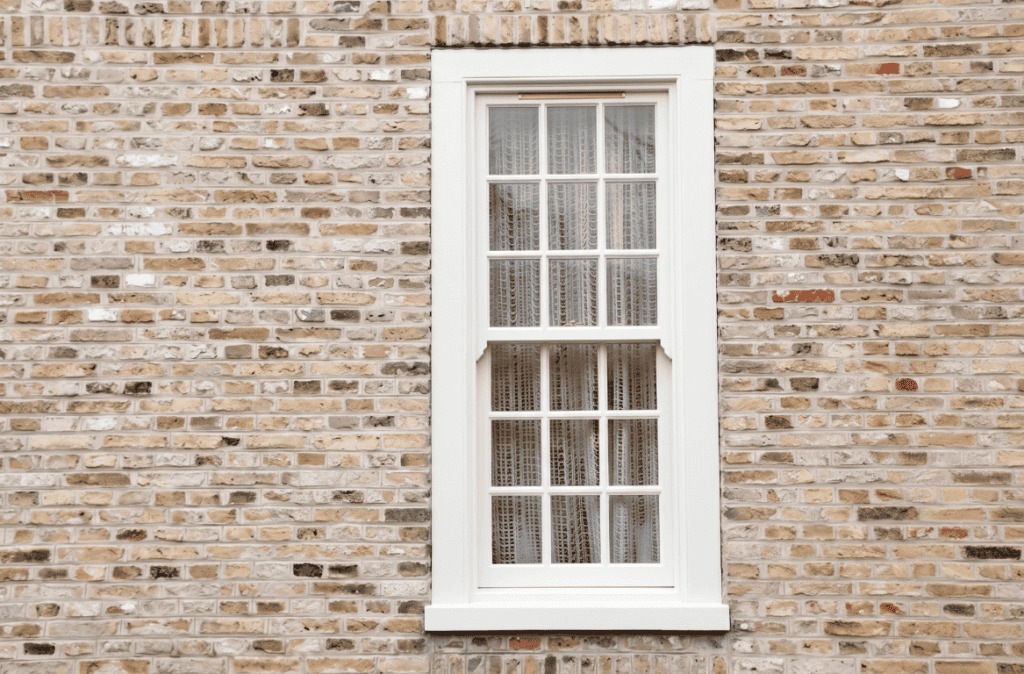
For many owners, the most pressing issue is the performance of traditional sash and case windows. Over time, original timber can become prone to draughts, rattles, and heat loss, leading many to seek modern solutions that respect the building’s heritage.

At ABC Architecture, we specialise in helping property owners upgrade their windows for superior thermal and acoustic performance. While based in Edinburgh, our deep expertise in navigating Scotland’s unique planning and heritage regulations allows us to deliver great results for projects across the country.


Common Scenarios for Window Alterations

Our clients typically seek window upgrades to solve practical, everyday problems. Common use cases include:

Thermal Efficiency & Heat Retention

The most immediate benefit of upgrading your windows is a dramatic improvement in your home’s thermal performance. Traditional single-glazed units are often the primary source of heat loss in older properties, leading to uncomfortable cold spots, persistent draughts, and unnecessarily high energy bills.

By carefully replacing outdated glass with advanced slimline double glazing or cutting-edge vacuum glazing you can maintain a consistent internal temperature throughout the year. This not only makes your home more comfortable during the Scottish winter but also significantly reduces your carbon footprint and monthly outgoings.

Acoustic Insulation

For properties located in bustling city centres or near busy transport hubs, external noise can be a significant deterrent to a peaceful home life.

We specify high-performance acoustic glass and can advise on varying the thickness of the glass panes within a unit to break up sound waves effectively. This technical approach creates a much quieter, more serene internal environment, allowing you to enjoy the benefits of a central urban location without the constant intrusion of external noise.

Addressing Dilapidation & Timber Decay

Many of our projects begin when original timber sashes have reached the end of their functional life. Prolonged exposure to the elements, combined with decades of paint build-up, can lead to deep-seated rot in the sills and sash boxes that goes beyond simple cosmetic repair.

We manage the process of designing exact architectural replicas, ensuring that the new timber sections match the original profiles, mouldings, and “horn” details perfectly. This “like-for-like” approach is often the key to securing planning approval in sensitive areas, allowing you to restore the structural integrity and aesthetic charm of your property for the next generation.

Improving EPC Ratings & Future-Proofing

An Energy Performance Certificate (EPC) is no longer just a formality; it is a critical factor in the valuation and legality of your property. With evolving regulations in the Scottish rental market and a growing preference among buyers for energy-efficient homes, upgrading your windows is a strategic financial investment.

Enhancing your property’s energy profile through modern glazing solutions helps achieve a higher EPC rating, ensuring your home remains compliant with future legislative standards and significantly increasing its overall marketability and long-term resale value.

Elegant green window with decorative ironwork in a historic brick building.
Secure window lock for listed building in conservation area.
Restored traditional window in a listed building with conservation area compliance.

Navigating the Rules: Scotland & Beyond

The regulations for window changes are nuanced and vary depending on your property’s status and location.

1. Listed Buildings (Category A, B, or C)

LBC

If your property is listed, you almost always require Listed Building Consent (LBC) for any change to the glazing or frames.

Most Scottish local authorities now look favourably on “slimline” double glazing or vacuum glazing, provided the timber profiles and “reflection” match the original windows exactly.

2. Conservation Areas

Permitted Development

In May 2024, Scottish legislation introduced new “Permitted Development” rights (Class 7A) for windows in conservation areas. This changed how many homeowners approach upgrades.

In many cases, you may now apply for Prior Approval rather than full Planning Permission, provided the replacement is “substantially the same” as the original.

3. Unlisted Properties not in Protected Areas

In the Clear

If your home is not listed and sits outside a conservation area, you generally have more freedom to upgrade to modern double glazing without formal planning consent, though Building Standards for safety and insulation still apply.

The Critical Step: Never proceed with window alterations in a protected property without professional advice. Local authorities have the power to issue enforcement notices requiring you to reinstate original windows at your own expense. Our initial assessment ensures your investment is legally protected from day one.

In a Hurry?

Key Points for Your Window Project:

Listed Buildings always require Listed Building Consent for glass or frame changes.

Conservation Areas now often use a Prior Approval process for window replacements (under 2024 legislation).

Vacuum Glazing is the cutting-edge “invisible” solution for high thermal performance in historic sashes.

ABC Architecture provides nationwide support, managing all technical drawings and council liaisons to ensure your project is fully compliant.

Frequently Asked Questions

Our most commonly fielded questions from unsure clients when it comes to windows and glazing changes.

Can I install double glazing in a listed building?

Yes, in many instances. While standard thick double glazing is usually rejected, slimline double glazing or vacuum glazing (often as thin as 6mm to 10mm) is frequently approved. These units fit into traditional timber sashes without changing the historic sightlines.

My sash windows are rattling and draughty, is this a major project?

Not necessarily. Many issues can be solved through a professional “overhaul”, things like replacing cords, pulleys, and adding modern draught-stripping. However, if you want a significant boost in warmth, we can manage the consents for upgrading the glass itself.

Do I need a Building Warrant to replace windows?

In Scotland, if you are replacing windows on a “like-for-like” basis in terms of size and location, a Building Warrant is usually not required. However, if you are altering the opening (e.g., widening a window or creating French doors), a warrant is a legal necessity to ensure structural integrity.

Does ABC Architecture work outside of Edinburgh?

Absolutely. While we have deep roots in Edinburgh’s New Town and Southside, we provide architectural services and planning management for heritage projects across the Lothians, Fife, Glasgow, and the rest of the UK. We handle the local council negotiations regardless of where your property is located.

The ABC Approach: Technical Precision

Securing consent for window alterations requires a high level of technical detail. Planning officers often require 1:5 scale drawings of the “meeting rail” and “glazing bars” to prove the new windows won’t damage the building’s character.

We produce these detailed specifications and manage the entire application process, acting as the bridge between you, the planning office, and your chosen joinery specialist.

Ready to make those window changes you’ve been thinking about? Contact our experienced Architectural Designers today for a free, no-obligation consultation on 0131 510 8555 or via our contact form.

    Contact Us Here...

    Please fill in anything relevant and we'll get back to you soon.


    Contemporary kitchen with beige cabinets, open shelving, and a central island for meal preparation and socialising.

    Seamlessly Connecting your Home and Garden

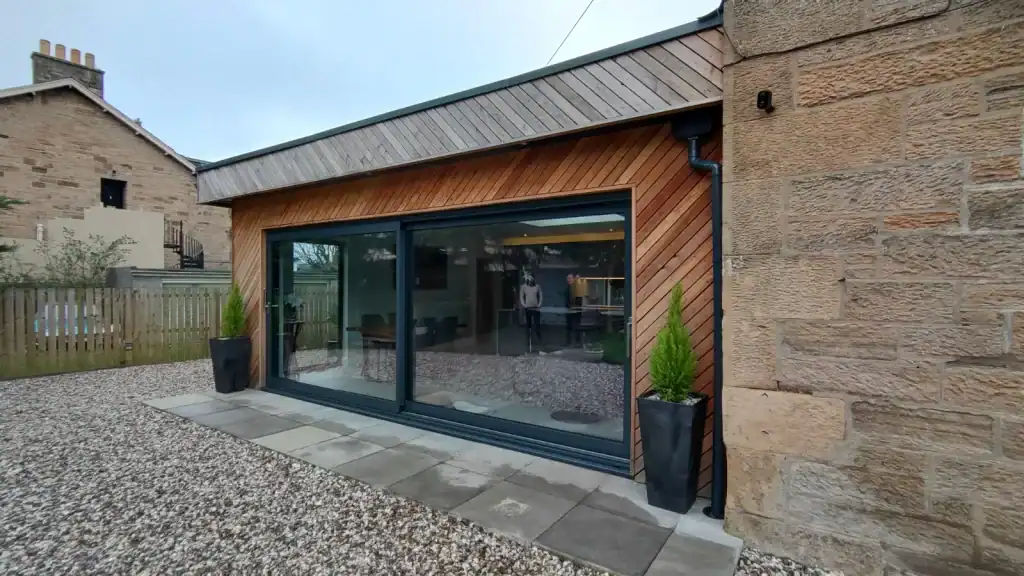
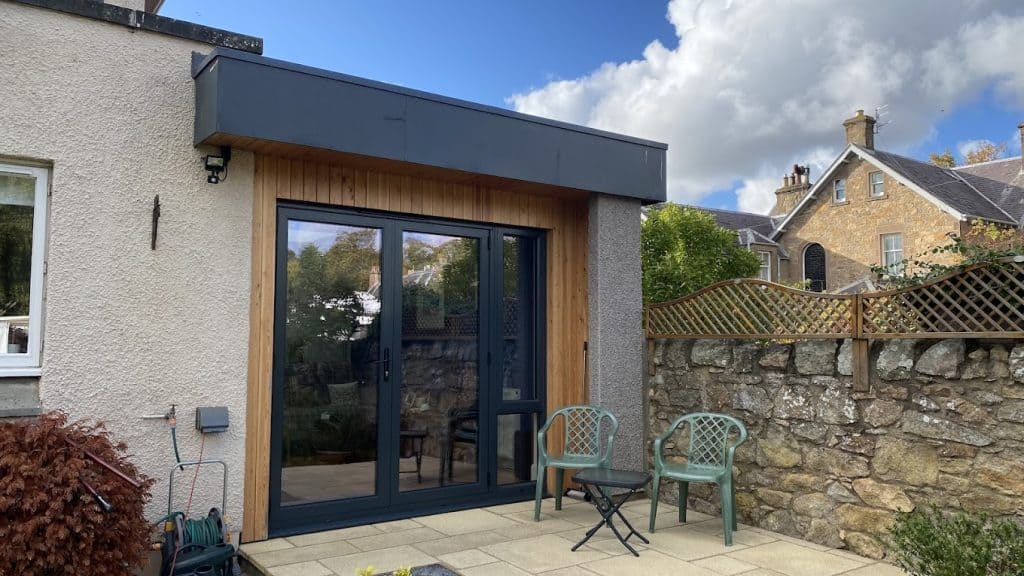
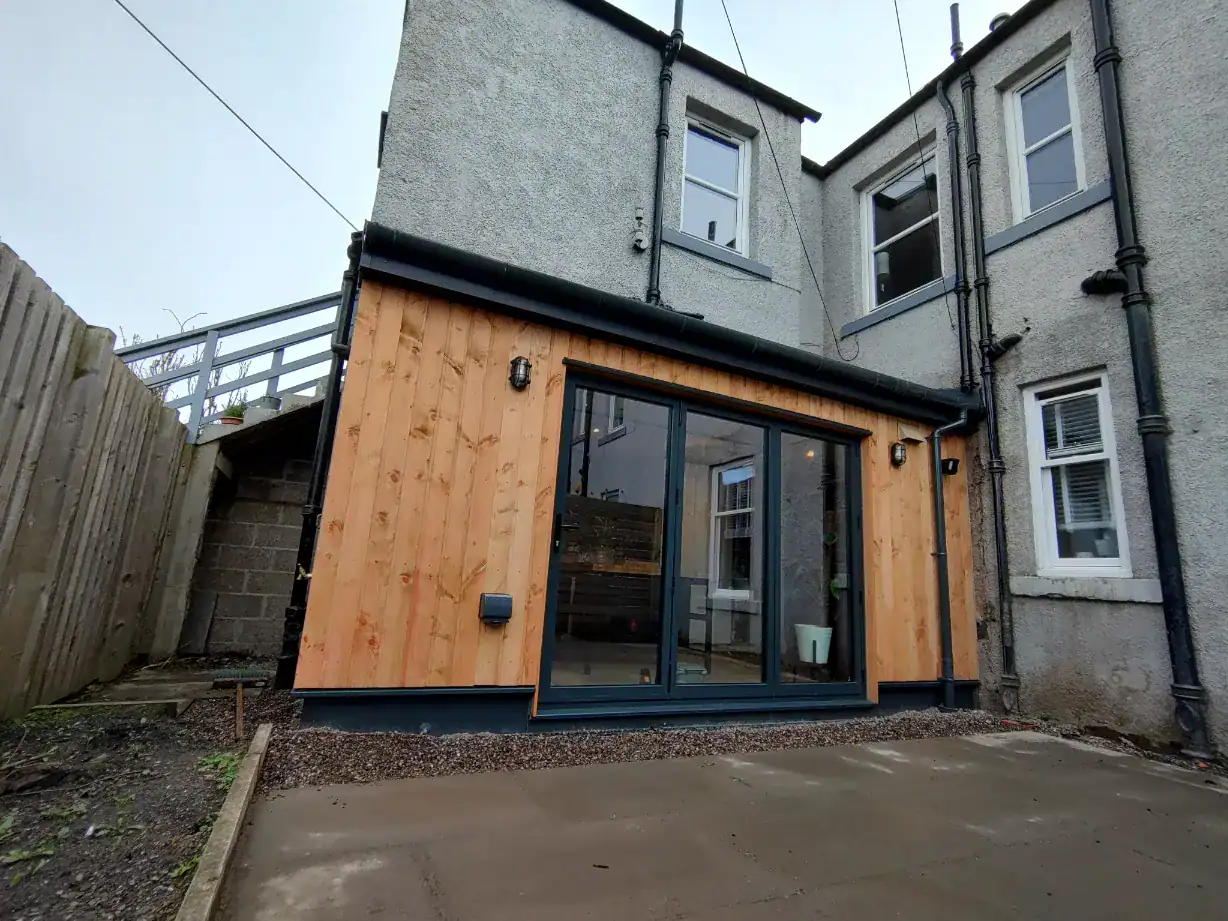
    Transforming your living space with new patio doors, French doors, or larger windows is one of the most impactful upgrades you can make to your home. Flood your interior with natural daylight, create a seamless flow into your garden, all while modernising your living environment.

    But in Scotland, punching a new hole in an external wall, or widening an existing one, isn’t just a quick weekend job for a builder. It involves structural engineering, energy efficiency standards, and strict local council regulations.

    At ABC Architecture, we can take a lot of  the stress off your shoulders. We specialise in designing and integrating new windows and glass doors into your spaces. Working with us ensures structural safety, and the proper securing of mandatory Building Warrants and Planning Permissions required across Edinburgh, the Lothians, and the wider UK.

    💡 New Windows or Patio Doors. Instant wins:

    Adding a new opening to your roof is a structural alteration and involves specific legal and technical steps in Scotland.
    Our service ensures that your installation is not only beautifully designed but also fully compliant.

    Strategic Design and Orientation

    Turn dark, enclosed rooms into bright, welcoming spaces that boost your mood and reduce the need for artificial lighting.

    Indoor-Outdoor Flow

    Bifold, sliding, or French patio doors blur the lines between inside and out, perfect for summer entertaining and expanding your living area.

    Thermal Efficiency

    Modern glazing dramatically improves heat retention. Upgrading to high-performance units helps lower energy bills and meets strict new Scottish energy standards.

    1. The Building Warrant (Always Required for New Openings)

    Many homeowners mistakenly believe that if they don’t need Planning Permission, they can just start building. This is false. If you are creating a new window or door opening, or widening an existing one, you are making a structural change to an external wall.

    Under the Building (Scotland) Act, this legally requires an approved Building Warrant before any work begins.

    Structural Integrity: If necessary, we work with Structural Engineers to specify the exact steel beam (RSJ) or lintel required to safely support the roof and floors above your new wider patio doors.

    Energy Efficiency (U-Values): Scottish Building Standards are strict. New windows and doors must meet a minimum U-Value of 1.4 W/m²K to prevent heat loss.

    Safety Glazing: Any glass fitted below 800mm from floor level (which includes almost all patio doors) must be toughened or laminated safety glass to prevent severe injury.

    Ventilation: We ensure the new glazing meets the “1/30th of the floor area” opening rule and incorporates necessary trickle vents for background airflow.

    2. Planning Permission & Conservation Areas

    Standard Houses (Permitted Development)

    For many standard, unlisted houses in Scotland, installing a new window or patio door at the rear of the property falls under Permitted Development Rights. This means full Planning Permission might not be required, though a Building Warrant absolutely still is.

    Conservation Areas & Flats (Strict Rules Apply)

    If you live in a flat, a Listed Building, or one of Scotland’s many beautiful Conservation Areas, the rules change dramatically.

    See the next section for the changes:

    Flats: Almost all external alterations to flats require Planning Permission.

    Conservation Areas (May 2024 Updates): Recent changes to Scottish legislation mean that while some rear windows can now be altered without permission, altering windows on a principal elevation (facing a road), or installing new patio doors, often triggers the need for an Application for Prior Approval or full Planning Permission.

    Listed Buildings: You will always require Listed Building Consent for any external changes, and uPVC frames are almost universally rejected in favour of traditional timber.

    📐 How Our Focussed Design Service Works

    We’ve streamlined our process to get you from initial idea to construction-ready as smoothly as possible:

    Site Survey & Feasibility

    We visit your home, measure the space, and assess the structural implications of your desired patio doors or windows.

    Architectural Design & Engineering

    We draft the proposed elevations and floor plans. If widening a wall, we coordinate with a trusted Structural Engineer to calculate the necessary steelwork.

    Local Authority Submissions

    We act as your agent. We prepare and submit the intricate technical drawings for your Building Warrant, and handle the Planning Permission or Conservation Area consent applications if required.

    Approval & Contractor Handover

    Once the council grants your legal permissions, you are handed a comprehensive package of approved drawings, ready to give to your chosen builder or glazing installer for accurate pricing and construction. We can help with these choices should you want our guidance.

    Elegant garden transformation with timber and glass, enhancing outdoor space for modern living.
    Bright contemporary living space featuring skylights, large glass doors, and stylish interior design.
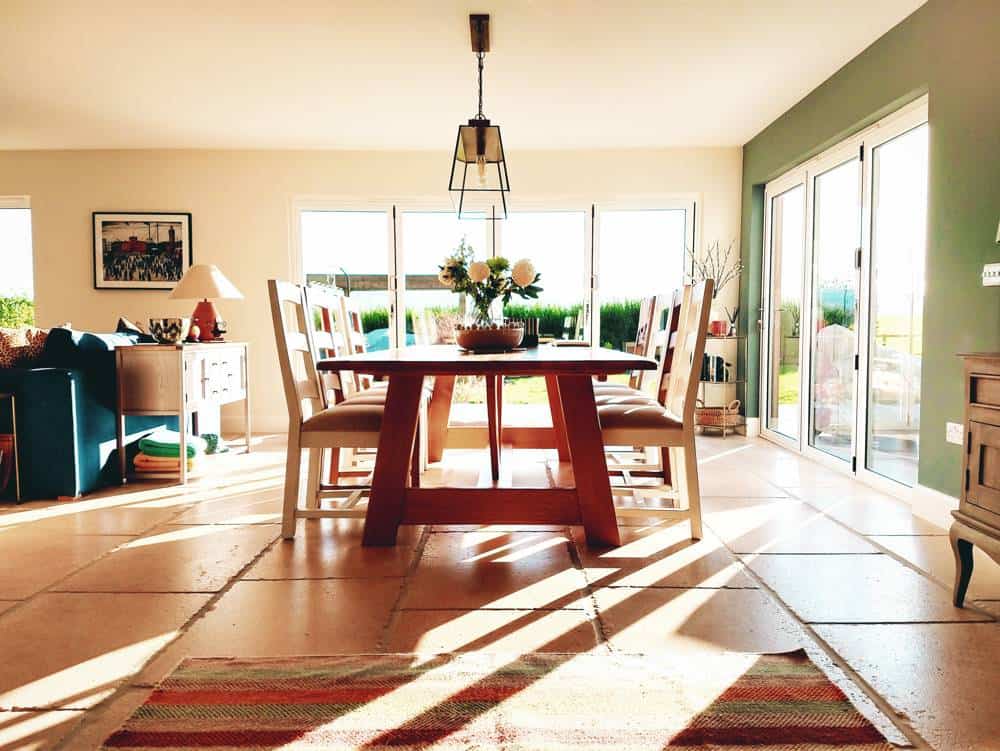
    Bright family dining area with contemporary furniture, large glass doors, and scenic garden views.

    In a Hurry?

    Key Patio Design Points in a Hurry

    Building Warrant: If you are creating a new opening or widening an existing window to fit patio doors, a Building Warrant is legally required in Scotland.

    Planning Permission: Often not needed for houses (Permitted Development), but almost always required if you live in a flat, a Listed Building, or are altering a prominent elevation in a Conservation Area.

    Structural Support: You cannot just remove brickwork; a structural engineer must specify a steel beam to support the load above your new doors.

    We Handle the Compliance: ABC Architecture takes care of the architectural drawings, the engineering coordination, and the council applications to ensure your project is 100% legal, safe, and thermally efficient.

    Process Experts : ABC Architecture

    Ready to open up your home? Don’t let council red tape hold back your vision.

    Would you like me to arrange a free initial consultation to discuss your property and the permissions you’ll need? Contact ABC Architecture today.

    Want to brighten and open up your home but still have questions? Contact ABC Architecture today for an expert consultation on your new glazing project,  0131 510 8555 or via our contact form.

      Contact Us Here...

      Please fill in anything relevant and we'll get back to you soon.


      Contemporary kitchen with beige cabinets, open shelving, and a central island for meal preparation and socialising.

      Bringing in the Light : Skylight Questions, Answered

      Natural light is proven to boost mood and make any interior space feel instantly more inviting and spacious. However, in many Scottish homes, particularly flats, older houses, or those with deep floor plans, achieving optimal daylight can be a challenge.

      We work with a lot of clients, homeowners and organisations, who are looking for a Roof Window Installation to solve this problem. We can work to transform underlit areas into bright, airy environments. We to handle the design, compliance, and application process from start to finish, ensuring a seamless and brilliant result.

      This guide explores the benefits of adding roof windows (often called rooflights or skylights) and details the crucial steps and regulatory requirements in Scotland that ABC Architecture manages for you.

      Why Choose a Roof Window for Daylight? The Core Benefits

      Roof windows offer a unique advantage over traditional vertical windows: they capture light from the entire sky dome, delivering up to three times more daylight than a vertical window of the same size.

      Maximised Daylight

      Directly illuminates the heart of your home, turning dimly lit rooms, dark landings,  stairwells, and loft spaces into vibrant areas.

      Improved Well-being

      Natural light is essential for regulating circadian rhythms, leading to improved mood, better focus, and enhanced sleep quality.

      Energy Efficiency

      Reduces reliance on artificial lighting during the day, lowering electricity bills. Modern, low U-value glazing also prevents heat loss.

      Enhanced Ventilation

      Operable roof windows provide high-level ventilation, allowing hot, stale air to escape efficiently (the ‘chimney effect’), improving indoor air quality.

      Increased Property Value

      Well-lit, desirable spaces are highly valued by buyers, making roof window installations a sound investment in your property’s value and overall appeal.

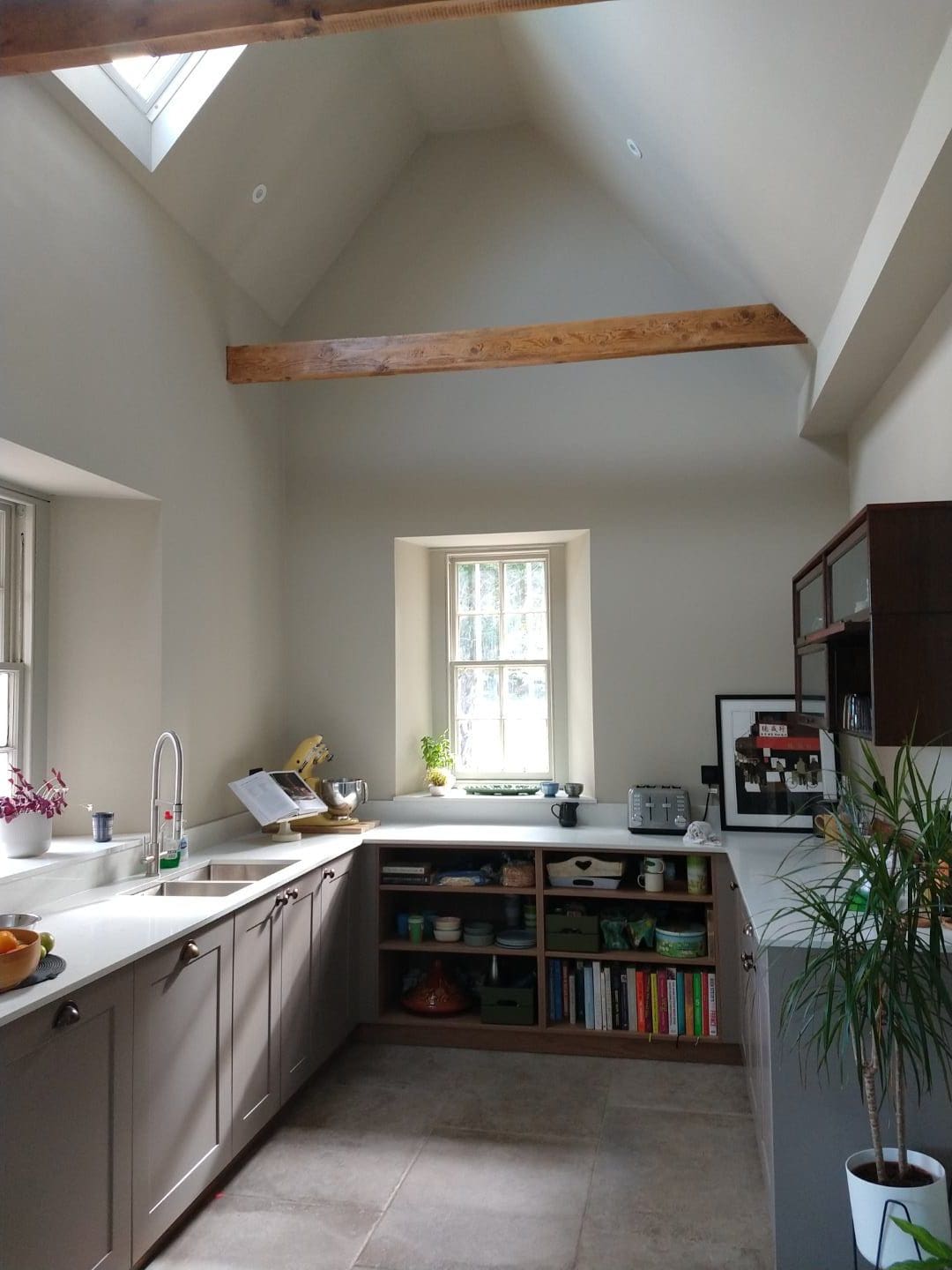
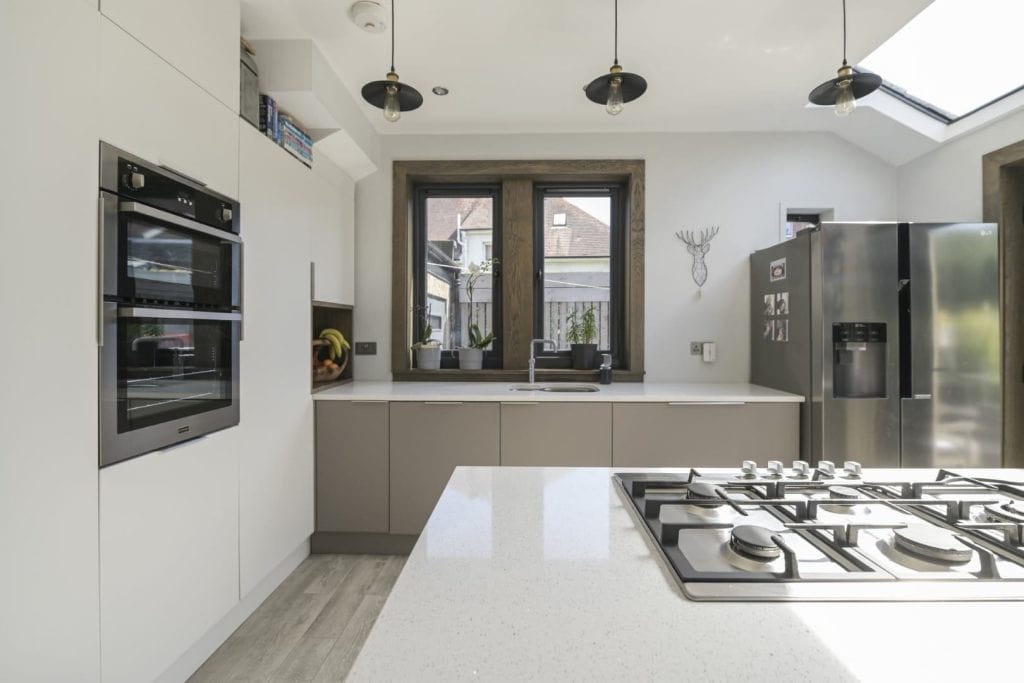
      Bright kitchen with skylight and large window, wooden beams, contemporary cabinetry, perfect for modern homes.
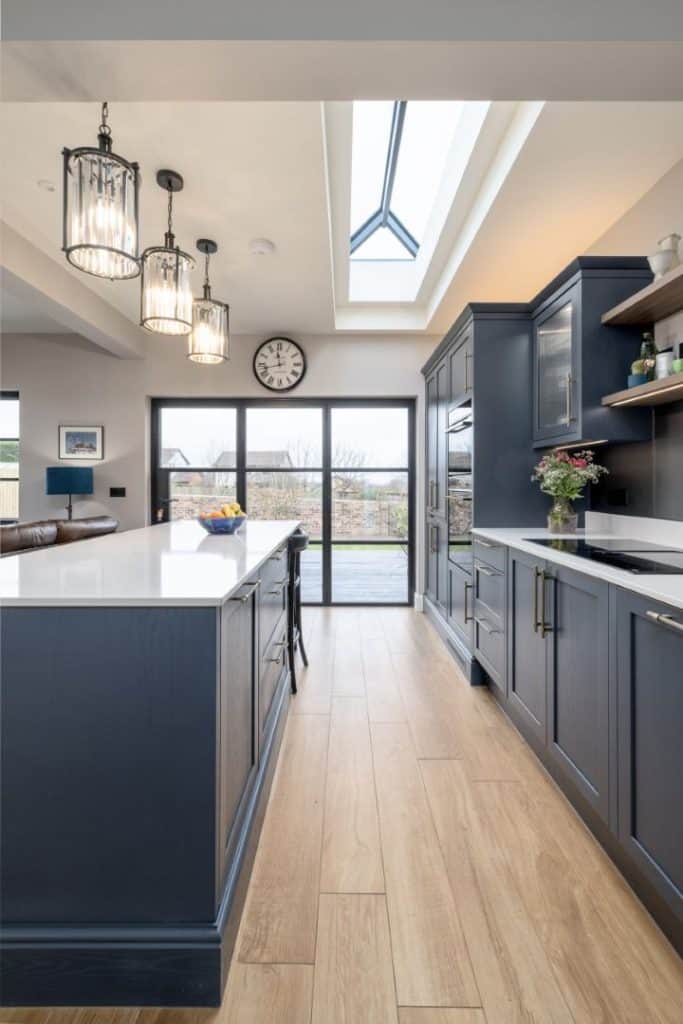
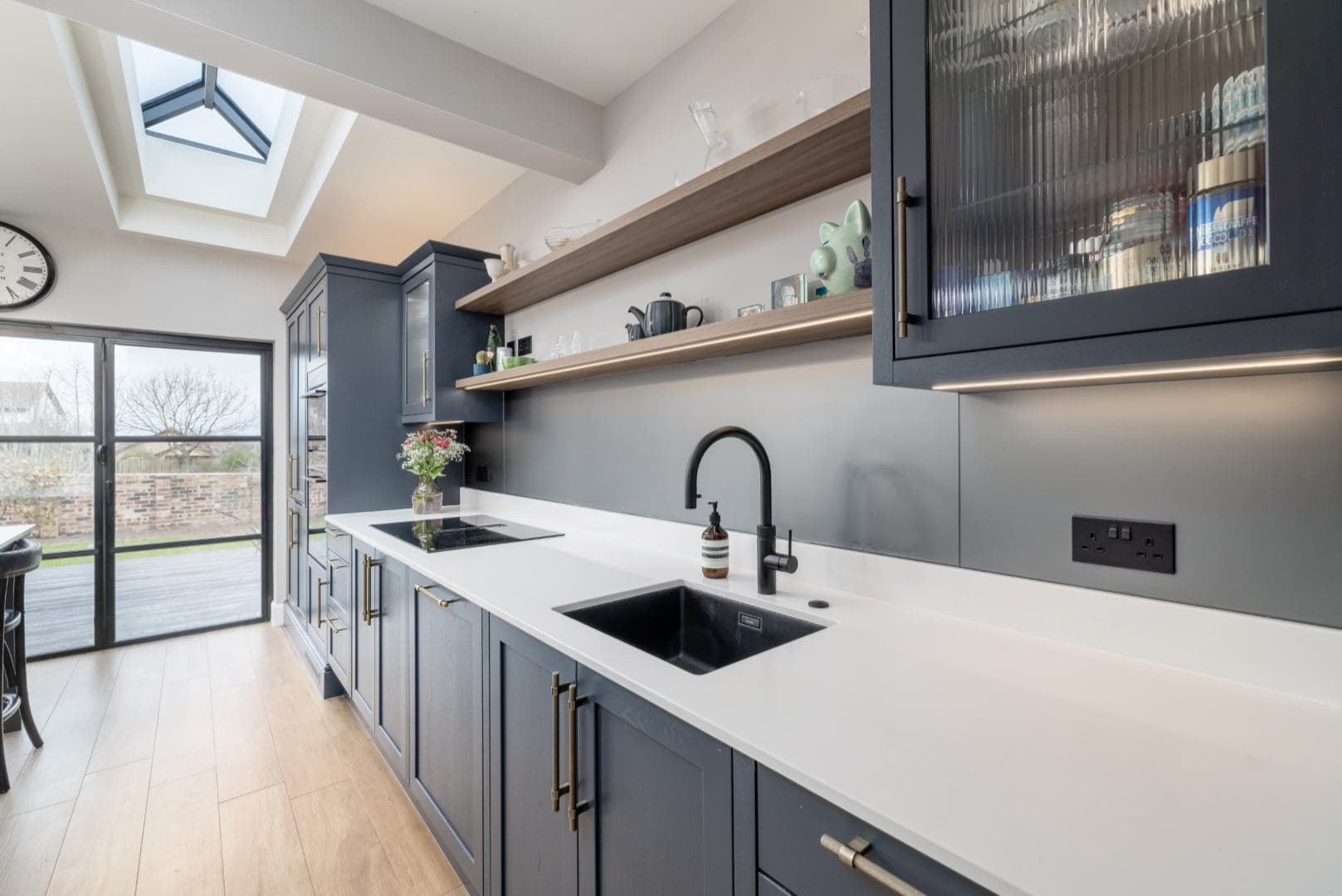
      Stylish kitchen featuring navy blue cabinets, open shelves, and a sleek black sink for contemporary homes.
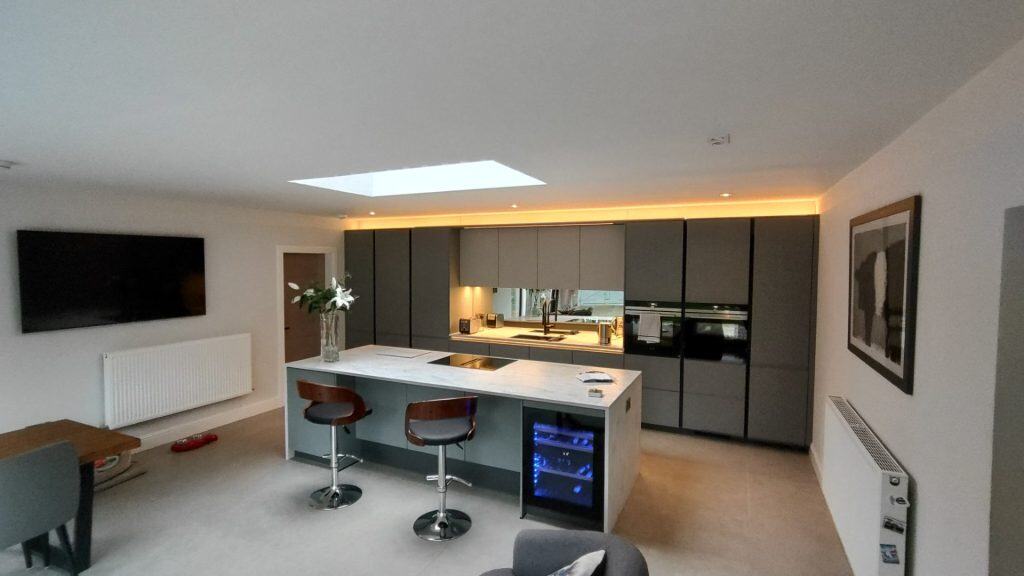
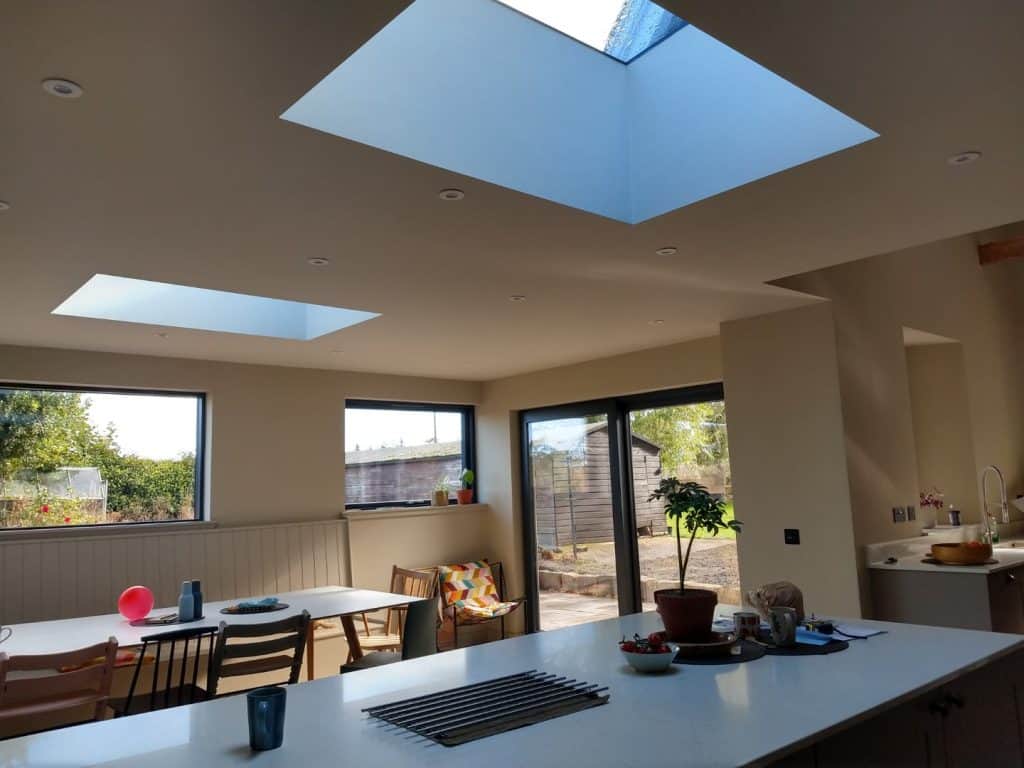
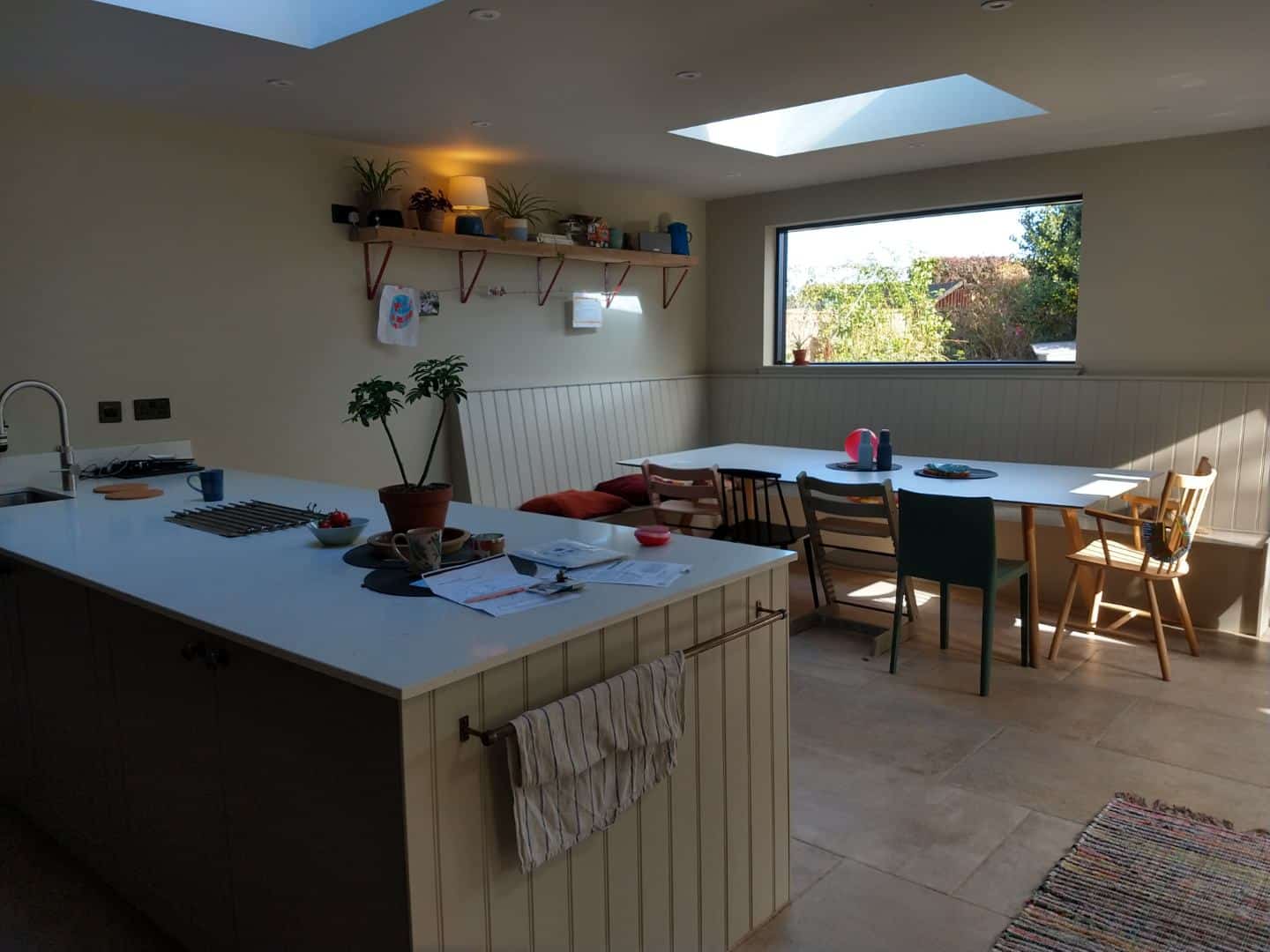
      Bright kitchen with skylight and dining area, featuring minimalist design and natural sunlight, exemplifying contemporary architecture.

      The ABC Architecture Process: Daylight Design & Regulatory Compliance

      Adding a new opening to your roof is a structural alteration and involves specific legal and technical steps in Scotland.
      Our service ensures that your installation is not only beautifully designed but also fully compliant.

      Strategic Design and Orientation

      The effectiveness of a roof window hinges on its placement. Our Architectural Designers consider:

      Room Function: Is it a home office (needs consistent light), a kitchen (needs light and ventilation), or a bedroom (needs light control)?

      Roof Pitch & Orientation: If at all pitched, north-facing windows provide cool, consistent light, while south-facing windows offer intense, warm light (which may require solar control glazing or blinds).

      Glazed Area Ratio: As a general design principle, the glazed area should ideally be between 10% and 20% of the room’s floor area to achieve excellent daylight levels.

      Structural Integration: We assess the existing roof structure (rafters/trusses) to determine the optimal size and location of the new opening.

      Navigating Scottish Planning Permission

      For most standard roof window installations in houses in Scotland, Planning Permission is often not required, as they typically fall under Permitted Development Rights. However, there are crucial exceptions that make professional guidance essential:

      Flats and Tenements: In most Scottish council areas, alterations to the roof of a flat or tenement will always require Planning Permission.

      Conservation Areas: If your property is within a designated Conservation Area, you will almost certainly require Planning Permission.

      Listed Buildings: Any alteration to a Listed Building requires Listed Building Consent.

      Projection Limit: The roof window must not project more than 150mm beyond the plane of the existing roof slope and must not exceed the highest part of the roof.

      ABC Architecture takes the guesswork out of this process. We assess your property’s status and location, advise on the exact permissions required, and manage the full application process with the local authority.

      Building Warrant Application

      Regardless of whether Planning Permission is needed, a Building Warrant is a legal necessity in Scotland for installing a new roof window, as it involves making a structural opening in the roof and introduces new elements that must meet energy efficiency and safety standards.

      Structure: Proving the new opening is safely framed, with the roof load properly transferred (e.g., using new timber trimmers and trimmings).

      Energy Performance (U-Values): Ensuring the roof window’s thermal performance (U-value) is high enough to meet current Scottish Building Standards for heat retention.

      Weather Tightness: Specifying the correct flashing and sealing details to prevent leaks and ensure longevity.

      Ventilation: Confirming the new opening contributes to the room’s overall ventilation requirements.

      In a Hurry?

      Key Points for Your Skylight / Roof Light Project

      Building Warrant: Because you are cutting through roof timbers and the thermal envelope, a Building Warrant is legally required for roof window installations in both flats and houses.

      Planning Permission: In a flat, Planning Permission is almost always required for external alterations. In a house, it is often Permitted Development (unless you are in a Conservation Area or a Listed Building).

      Structural Integrity: The new opening requires structural reinforcement (new trimmers/doubling up rafters) which must be calculated and approved by Building Control.

      We Handle the Compliance: We prepare the necessary technical drawings and handle the application process, ensuring your installation is legal, safe, and meets energy efficiency standards.

      Process Experts : ABC Architecture

      From the initial feasibility study to securing the final Building Warrant, ABC Architecture provides specialist, end-to-end design and regulatory support for roof window installations across Edinburgh, the Lothians, and Scotland.

      Our focus is on delivering a design that not only meets your aesthetic goals but also complies fully with every intricate detail of the Scottish Planning and Building Regulations. This protects your investment and provides peace of mind.

      Ready to flood your home with natural light? Contact ABC Architecture today for an expert consultation on your roof window project,  0131 510 8555 or via our contact form.

        Contact Us Here...

        Please fill in anything relevant and we'll get back to you soon.


        Victorian terraced houses with chimneys and pitched roofs in a picturesque urban setting.

        Making Your Mark: A Guide to Shopfronts & Signage in Conservation Areas

        Your shopfront is the face of your business; it’s your most important advert. A well-designed sign and an attractive colour scheme can draw in customers and define your brand. However, if your business is located within one of Scotland’s many Conservation Areas (as is common in Edinburgh and the Lothians), these changes are subject to strict planning controls.

        Many business owners are unaware that new signage, and even a simple change of paint colour, requires formal consent from the local council.

        At ABC Architecture, our experienced Architectural Designers help businesses navigate this complex regulatory landscape. We specialise in creating attractive, brand-appropriate shopfront designs that satisfy heritage requirements, ensuring your proposals get approved. This guide explains what you need to know.

        In a Hurry?

        Key Points for Your Shopfront Project:

        In a Conservation Area, you must get Advertisement Consent before installing new signs.

        Changing your shop’s paint colour is considered ‘development’ and requires a separate Planning Application.

        Planners will assess all materials, colours, and illumination to ensure they protect the area’s historic character.

        Use of an Architectural Designer or other qualified professional is advised to navigate the complex rules and ensure your brand’s design gets approved.

        Why Are Shopfronts in Conservation Areas So Strictly Controlled?

        A Conservation Area is designated as an “area of special architectural or historic interest,” and councils have a legal duty to preserve and enhance its unique character.

        Cumulative Impact

        The council’s primary concern is the cumulative effect of many small changes. A single inappropriate sign or colour can be jarring, but many of them can damage the character of an entire street.

        Balancing Branding & Heritage

        The goal is not to prevent new businesses, but to ensure that new signage, lighting, and colours are sympathetic to the historic building and the wider area. This often means favouring traditional materials and subtle designs over modern, brightly-lit designs.

        A retail storefront displaying Scottish tartan skirts, wool scarves, and accessories inside a colourful shop, celebrating Scottish heritage and style.
        Urban shop front architecture with sleek white and blue facades, ideal for retail spaces.

        Understanding the Key Consents

        For a typical shopfront project in a Conservation Area, you will likely need one or both of the following:

        Advertisement Consent

        This is the specific type of planning permission required for most external signs, including:

        Fascia signs (on the main shopfront)

        Projecting or ‘hanging’ signs

        Some types of window graphics or vinyls

        The council will assess the sign’s size, design, materials, and illumination. For example, in many historic areas (like Edinburgh’s Old and New Towns), internally illuminated box-signs are often discouraged in favour of hand-painted fascia signs or discreet, externally-lit lettering.

        Planning Permission (Colour Changes)

        This is the ‘rule’ that most often catches businesses out. In a Conservation Area, changing the external paint colour of your shopfront is considered ‘development’ because it can affect the area’s character.

        You will need to submit a full Planning Application to change the colour, even if you are not changing the sign.

        Your application will need to specify the exact colours (e.g., RAL, BS, or Farrow & Ball codes) and the areas to be painted.

        If your building is also a Listed Building, you will require Listed Building Consent for any alteration, in addition to the consents above, making the process even more stringent.

        Crucially, in a Conservation Area, you must always secure all necessary consents before you order new signage or begin painting. Proceeding without permission can lead to enforcement action, which may force you to remove the sign and reinstate the original colours at your own cost.

        The Process: How ABC Architecture Secures Your Consent

        Our structured approach is designed to balance your commercial needs with the council’s heritage requirements for the best chance of a first-time approval.

        1. Feasibility & Design Consultation

        Vision

        We start by discussing your brand identity and your vision for the shopfront.

        We then conduct a site survey and provide clear, upfront advice based on the specific policies for your Conservation Area.

        We can assess what is likely to be approved before you commit significant costs.

        2. Design & Application Preparation

        Our team prepares a full set of detailed drawings for the council. This includes:

        Existing and Proposed Elevations: Showing the shopfront in context.

        Detailed Signage Drawings: Specifying materials, dimensions, fixing methods, and illumination levels.

        Colour & Material Specifications: Clearly outlining all proposed changes.

        We then prepare and submit the formal Advertisement Consent and/or Planning Permission applications on your behalf.

        3. Council Liaison and Negotiation

        Application

        Once submitted, we act as your agent, managing all communication with the assigned planning officer. If the officer raises concerns about the scale, materials, or colour, we are experienced in negotiating a positive outcome that works for both your brand and the council.

        Why Choose ABC Architecture for Your Shopfront or Signage Project?

        With over 35 years of combined experience, ABC Architecture is a trusted Architectural Design Practice serving Edinburgh, the Lothians, and the wider UK. We have extensive experience with commercial applications in sensitive historic settings.

        Expert Local Knowledge

        We have a deep understanding of the specific shopfront guidance and policies used by The City of Edinburgh Council, East Lothian Council, and others.

        Balance of Design & Compliance

        We are designers first. We help you achieve a high-quality, attractive shopfront that meets your brand needs while also satisfying the planners.

        Peace of Mind

        We manage the complex bureaucracy of planning and advertising consent, saving you time and protecting your business from the risk of costly enforcement action.

        Clear, Jargon-Free Advice

        We explain the process in simple terms, allowing you to focus on running your business.

        Contact our experienced Architectural Designers today for a free, no-obligation consultation on 0131 510 8555 or via our contact form.

          Contact Us Here...

          Please fill in anything relevant and we'll get back to you soon.


          Contemporary kitchen with beige cabinets, open shelving, and a central island for meal preparation and socialising.

          The Heart of the Home: A Guide to Kitchen & Utility Alterations

          The kitchen is no longer just a place to cook; it’s the heart of the modern home, it’s a space for family, friends, and daily life. A well-designed kitchen, often paired with a practical utility room, can transform how you live. But from creating the perfect layout to understanding which Scottish regulations apply, the process can seem complex.

          At ABC Architecture, our experienced Architectural Designers have guided hundreds of clients through kitchen and utility transformations. We specialise in optimising space, light, and flow, while seamlessly navigating the required consents. This guide explains the key considerations.

          The Appeal of a New Kitchen & Utility Space

          A thoughtfully designed kitchen or utility room is a significant investment that delivers daily returns:

          Improved Lifestyle & Flow

          A new layout can create a more social, open-plan feel, connecting your kitchen to your living and dining areas. A dedicated utility room can reduce noise and clutter in the main living space.

          Enhanced Functionality

          Modern designs focus on smart storage, ergonomic layouts (like work zones or the classic ‘triangle’), and integrating new technology.

          Significant Property Value

          A modern, high-quality kitchen is one of the single biggest factors in adding value and appeal to your property.

          Better Aesthetics

          This is your chance to create a space that truly reflects your personal style, whether it’s contemporary and sleek or traditional and cosy.

          Bright kitchen with skylight and dining area, featuring minimalist design and natural sunlight, exemplifying contemporary architecture.
          Bright kitchen with skylight and large window, wooden beams, contemporary cabinetry, perfect for modern homes.
          Stylish kitchen featuring navy blue cabinets, open shelves, and a sleek black sink for contemporary homes.

          When Do I Need Permission? Navigating Scottish Regulations

          This is the most common question we are asked, and the answer depends on your property type and the scale of your project.

          Like-for-Like Replacements

          If you are planning a simple cosmetic upgrade, such as replacing old kitchen units, worktops, and appliances in their exact same locations : the rules are straightforward. As the layout and services (plumbing, electrics) are not changing, a Building Warrant or Listed Building Consent (LBC) is not required.

          New Layout or Relocation in a HOUSE

          If you live in a detached, semi-detached, or terraced house, you have more flexibility.

          Exemptions: Changing your kitchen layout or even relocating it to a different room (e.g., swapping a dining room and kitchen) is often exempt from needing a Building Warrant.

          Planning & LBC: You may need Planning Permission for new windows or doors. If your house is a Listed Building, you will require Listed Building Consent for any internal changes, even if a Building Warrant is not needed.

          When a Warrant IS Needed: You will need a Building Warrant if your new kitchen plan involves any structural alterations (like removing a wall to create an open-plan space) or involves creating new windows or external doors.

          New Layout or Relocation in a FLAT

          This is a critical distinction in Scotland. There are generally no exemptions for flats.

          Building Warrant: You will need a Building Warrant for a new kitchen or utility layout. Even minor changes to drainage or ventilation (which are unavoidable when moving sinks or cookers) will trigger the need for a warrant.

          LBC: As with houses, if you are in a Listed Building, you will also require Listed Building Consent.

          An Important Note on “Exempt” Work Even if your project is ‘warrant exempt’, all the work must still be carried out in compliance with Scottish Building Standards (e.g., for electrical safety, ventilation, and drainage). As your Architectural Designers, we can advise on these requirements to ensure your project is built correctly.

          The Process: How ABC Architecture Guides You

          Our structured approach ensures your project is creative, compliant, and coordinated. Here’s how ABC Architecture guides clients through each stage:

          1. Feasibility & Design Consultation

          Vision

          We start by discussing your vision. We’ll assess your existing space, advise on the best layouts, and identify the most efficient routes for essential services like drainage and ventilation.

          2. Consents Strategy

          Property Type

          Based on your property type (house or flat), its status (Listed or in a Conservation Area), and your design goals, we will provide clear advice on exactly which consents (Planning, LBC, Building Warrant) are required.

          3. Planning Permission (Where Required)

          Application

          If a warrant is needed, our team prepares all the comprehensive architectural drawings and specifications required for submission to the local council’s Building Standards department.

          4. Coordination with Kitchen Designers

          Alignment

          This is a key part of our service. Your chosen kitchen designer will create detailed plans for cabinets, islands, and appliances. We liaise directly with them to ensure their design aligns perfectly with our approved Building Warrant drawings. This coordination ensures that legal requirements for drainage, ventilation, and electrical points are correctly located, preventing costly integration errors.

          5. On-Site Support

          The Complete Service

          We can assist you in finding reputable builders, support you through the tender process, and provide on-site support to ensure the work is completed to the approved designs.

          In a Hurry?

          Key Points for Your Kitchen Project

          In a flat, a Building Warrant is almost always required for any kitchen layout changes.

          In a house, a warrant is often not needed unless you are removing walls or adding new windows/doors.

          Even ‘warrant exempt‘ work must still comply with Scottish Building Standards (we can advise on this).

          We liaise with your kitchen designer to ensure their plans match all legal warrant requirements, avoiding costly errors.

          Why Choose ABC Architecture?

          With over 35 years of combined experience, ABC Architecture is a trusted Architectural Design Practice serving Edinburgh, the Lothians, and the wider UK. We have a deep understanding of the complexities of kitchen alterations.

          Regulatory Experts

          We provide clear, correct advice on the complex warrant rules for flats vs. houses, saving you time and stress.

          Kitchen Designer Liaison

          We bridge the gap between your kitchen company’s designs and the legal requirements of the Building Warrant.

          Smart Design

          We are experts in spatial planning, ensuring your new kitchen isn’t just beautiful but works brilliantly for your lifestyle.

          Peace of Mind

          We manage the consent applications, allowing you to focus on the creative side of your project.

          Ready to create the kitchen or utility space you’ve always wanted? Contact our experienced Architectural Designers today for a free, no-obligation consultation on 0131 510 8555 or via our contact form.

            Contact Us Here...

            Please fill in anything relevant and we'll get back to you soon.


            Victorian terraced houses with chimneys and pitched roofs in a picturesque urban setting.

            Creating Your Perfect En-Suite: From Concept to Completion

            Are you dreaming of the convenience and luxury of a new en-suite bathroom? Adding an en-suite is one of the most popular home improvements in Scotland, instantly adding value, functionality, and a touch of private luxury to your home. However, many homeowners are unsure where to start, asking “Do I have enough space?” and “What are the rules?”

            At ABC Architecture, our experienced Architectural Designers specialise in clever spatial solutions. We guide homeowners through the entire process, from finding the perfect spot to navigating the necessary regulations, ensuring your new en-suite is both beautiful and compliant. This guide outlines the key steps and considerations.

            In a Hurry?

            Key Points for Your En-Suite Bathroom Project:

            • A Building Warrant from the local council is a legal requirement for any new en-suite in Scotland.

            • Confirming a viable drainage route to a soil pipe is the most critical technical step.
            • Proper mechanical ventilation is essential and legally required to prevent damp and mould.
            • An Architectural Designer is key to navigating regulations and creating a functional layout in a small space.

            The Appeal of a New En-Suite Bathroom

            The benefits of adding an en-suite go far beyond simply adding another bathroom:

            Ultimate Convenience & Privacy

            It provides a private sanctuary, especially in a busy family home, and puts an end to the morning queue for the main bathroom.

            Significant Added Value

            Estate agents agree that an en-suite, particularly for the master bedroom, is a highly desirable feature that can significantly increase your property’s market value.

            A Touch of Daily Luxury

            It creates a high-end, ‘hotel-suite’ feel, elevating your daily routine and enhancing your primary bedroom.

            Future-Proofing Your Home

            An en-suite on a ground floor can provide accessible facilities, while a well-placed one can make your home more functional for a growing family or for hosting guests.

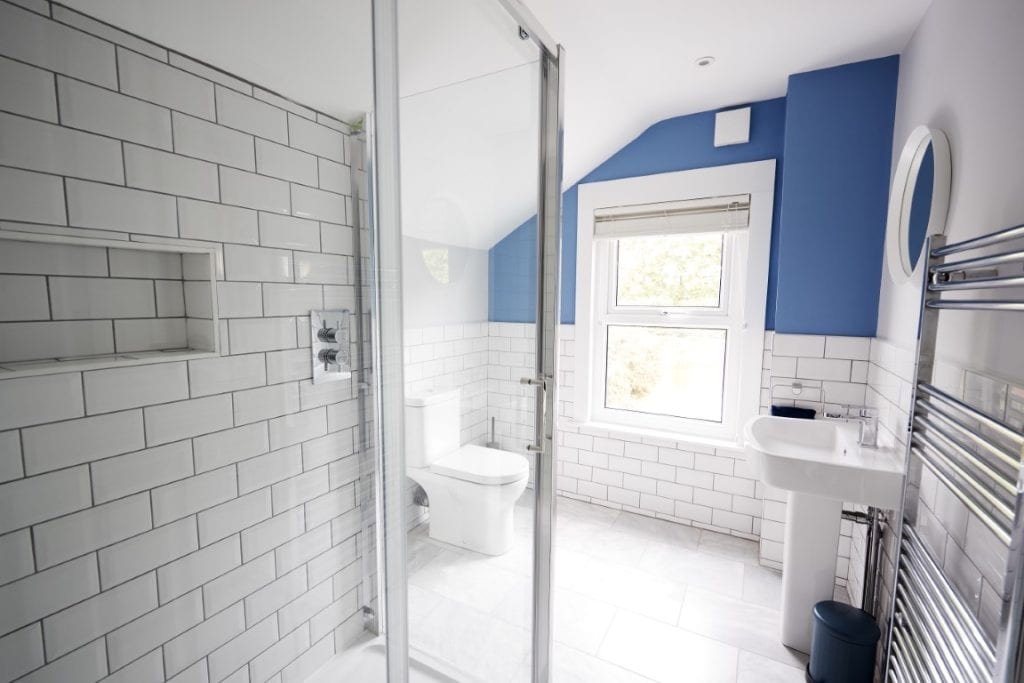
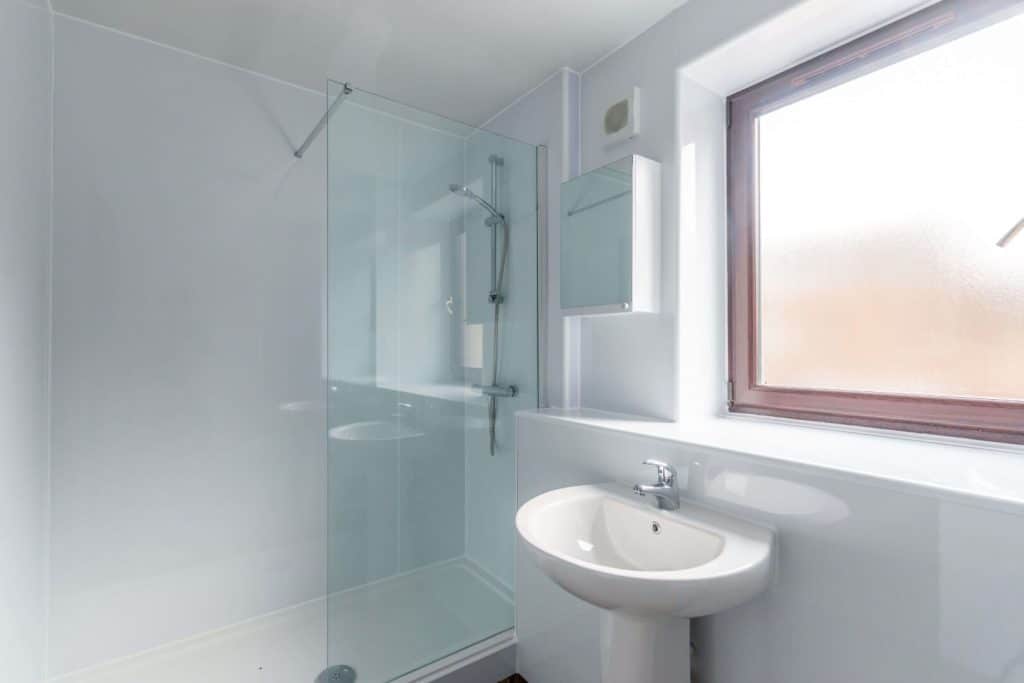
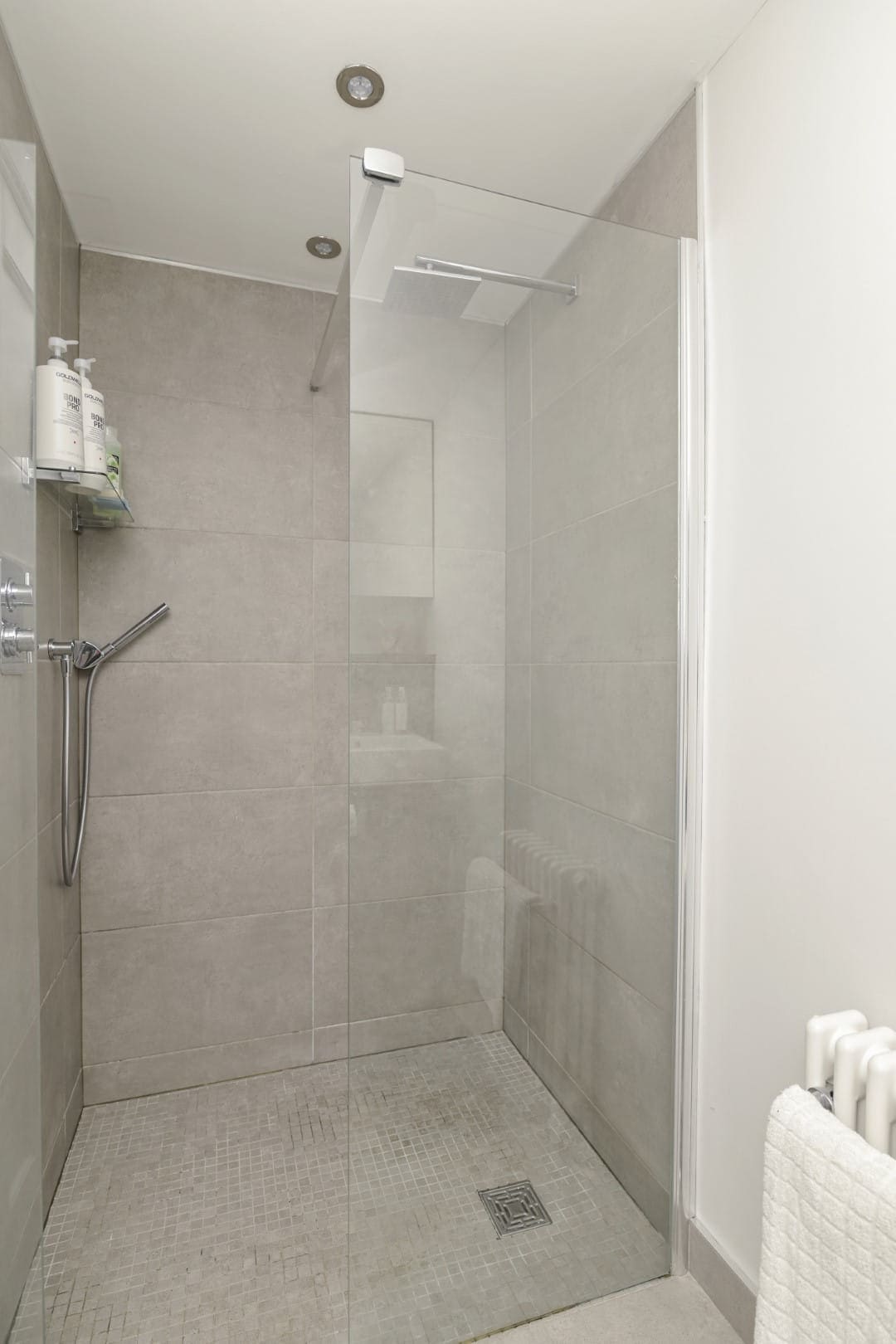
            Elegant bathroom shower design with beige wall tiles and chrome fixtures.
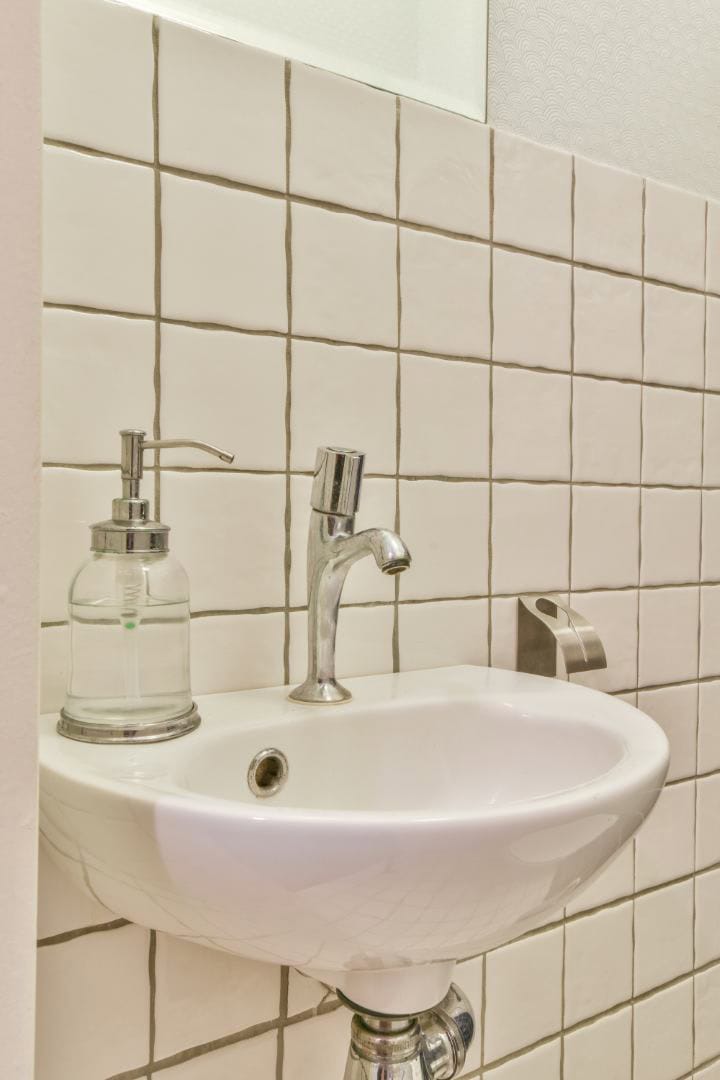
            Bathroom sink with soap dispenser, stainless steel faucet, and tiled wall in modern bathroom design.

            Key Considerations Before You Begin...

            While the idea is exciting, a successful en-suite bathroom project hinges on solving a few key technical challenges first.

            Finding the Space

            The most common question we hear is, “Where will it fit?” Our team can assess your home’s layout to find the optimal location, which could include:

            • Carving out space from a large master bedroom.
            • Repurposing an adjacent large cupboard, box room, or section of a hallway.
            • Reconfiguring the overall floor plan as part of a larger renovation.

            The Critical Role of Drainage

            This is the single most important technical consideration. Your new toilet, shower, and basin must connect to your home’s main soil pipe with an adequate gradient (or ‘fall’) for waste to drain effectively.

            We will assess the feasibility of this early on. If a simple gravity connection isn’t possible, we can advise on solutions like macerators or pumps.

            Ventilation is Non-Negotiable

            A bathroom is a high-moisture environment. Scottish Building Standards mandate that all new bathrooms or shower rooms have effective mechanical ventilation to prevent damp and mould. This is a crucial aspect of the Building Warrant application.

            Light and Layout

            A window is a bonus but not essential. We can design beautiful en-suites using clever artificial lighting and skylights. We also focus on creating an efficient layout that doesn’t feel cramped, ensuring there is comfortable space for a shower, toilet, and basin.

            Don’t skip the essentials. A Building Warrant is mandatory for any new bathroom installation in Scotland. Our expertise is in preparing the detailed technical drawings required for council approval, ensuring your project is built right, and built legally.

            The Process: How ABC Architecture Delivers Your
            En-Suite Bathroom

            A properly executed en-suite project requires careful planning and adherence to regulations. Here is how ABC Architecture manages the process for you:


            1. Feasibility Study & Design Consultation

            Understanding The Potential

            We begin by discussing your needs and assessing your property. Our designers will conduct a site survey to identify potential locations, investigate drainage routes, and produce initial layout options and sketches that make the best use of the available space.

            2. Planning Permission (Where Required)

            Requirements?

            For most internal alterations, Planning Permission is not needed. However, it may be required if the work falls into the following cases :

            • It involves creating a new window or external pipework on a property that is a Listed Building or is located in a Conservation Area.
            • or
            • Is part of a larger home extension project.
            • or
            • Is being carried out within a flat within a listed building

            Our team has extensive experience with councils across Edinburgh and the Lothians and will provide clear advice on whether an application is needed.

            3. Building Warrant Application – A Legal Requirement

            Building Standards

            A Building Warrant from your local council is always required when adding a new en-suite or bathroom. This is because the work involves new drainage and electrical installations. The Building Warrant ensures the design complies with Scotland’s national Building Standards for health and safety, drainage, ventilation, and energy efficiency.

            Our team prepares all the necessary detailed architectural drawings and specifications for the application and manages the process with the Building Standards department on your behalf.

            There are specific instances where an en-suite installation may be covered under warrant exemptions : installing into an existing space in a house that’s detached or semi detached, as long as there are no structural alterations and it isn’t a listed building.

            However, there is still a requirement to meet the relevant standards though even though you don’t need to submit a formal building warrant. We can advise on whether covered or not.

            4. Detailed Design, Fixtures & Finishes

            All In The Details

            Once the layout and compliance are handled, we can assist with the finer details. This includes helping you select tiles, lighting, sanitaryware, and finishes to create a cohesive and high-quality space that matches your aesthetic vision and budget.

            5. On-Site Support & Coordination

            Trusted Contractors

            We can help you find a suitable contractor and, if required, provide on-site support during the build to ensure the work is completed to the standard of the approved drawings, offering you peace of mind.

            Coordination

            We help coordinate between the builder, structural engineer, and yourself, ensuring a smooth and efficient project. For more about general project flow see our Project Pathways article.

            Why Choose ABC Architecture
            for Your En-Suite Bathroom Project?

            With over 35 years of combined experience, ABC Architecture is a trusted Architectural Design Practice serving Edinburgh, the Lothians, and beyond. We understand the unique character of Scottish properties and the intricacies of local regulations.

            Expert Spatial Planning: We excel at finding clever solutions to fit en-suites into spaces you might not have thought possible.
            Regulatory Peace of Mind: We handle the entire Building Warrant process, ensuring your project is fully legal and compliant, avoiding future issues.
            Holistic Design: We look beyond just the plumbing, considering lighting, storage, and materials to create a truly exceptional and functional space.
            Clear, Trusted Advice: We translate the technical requirements into clear, straightforward language, guiding you at every step.

            Ready to add a touch of convenient luxury to your home? Take the first step today. Contact our experienced Architectural Designers for a free, no-obligation consultation on 0131 510 8555 or via our contact form.

            Error: Contact form not found.

            Victorian terraced houses with chimneys and pitched roofs in a picturesque urban setting.

            Unlocking Open-Plan Living: A Guide to Single Wall Removals in your Home

            Are you thinking, can you create a more spacious, light-filled home? The desire for open-plan living, and connected kitchens, living areas, is a popular trend that can dramatically significantly enhance the feel and functionality of flats and houses. At ABC Architecture, we frequently guide homeowners through the process of single wall removals, helping them create larger, more airy living spaces.

            This guide will walk you through what’s involved in taking down a single wall to create that open-plan layout, highlighting the crucial considerations and how our experienced Architectural Designers can help you achieve that aim.

            The Appeal of Open-Plan Living

            The single wall removal shift towards open-plan layouts is driven by several compelling benefits:

            Better Social Connection

            No longer confined to a separate kitchen, you can cook and entertain simultaneously! You’ll enjoy a more interactive and social atmosphere. The way we cook, eat and entertain has changed and an open-plan space is far better suited.

            Increased Natural Light

            At ABC we are big on natural light. Just a single wall removal can often allow natural light to penetrate deeper into your home, making spaces feel brighter and more inviting.

            Improved Flow and Space

            Open-plan areas create a better sense of flow and of rooms joining-up. This has the side-effect of making even smaller homes feel larger and more expansive.

            Modern Aesthetic

            This contemporary design choice often aligns with modern lifestyles and design preferences. If you’re ever looking to sell, these things help.

            Greater Flexibility

            Open spaces can be reconfigured more easily to suit various activities or family needs. Less walls, less doors = more options.

            Bright blue skylight for natural lighting.
            Bright, modern kitchen featuring white cabinets, wooden countertops, and hardwood floors, ideal for contemporary home interiors.
            Bright living room with large window, contemporary decor, and stylish furniture.

            Is Your Single Wall a Candidate for Removal?
            The Crucial First Step

            Before you grab a sledgehammer, the very first and most critical step is to determine the nature of the wall you wish to remove. Not all walls are created equal, and some are far more integral to your property’s structure than others.

            The two main types of walls you’ll encounter are:

            Non-Load Bearing (Partition) Walls

            These walls primarily divide spaces and carry no structural weight from the floors or roof above. Removing a non-load bearing wall is generally straightforward, though still requires professional assessment to ensure no hidden services (electrical, plumbing, heating) are within.

            Load-Bearing Walls

            These are the backbone of your property. They support the weight of the structure above them, including floors, the roof, and other walls. Removing a load-bearing wall without proper structural support can lead to catastrophic damage, including collapse.

            Crucially, only a qualified professional,  such as a structural engineer working in conjunction with Architectural Designers like ABC Architecture can definitively determine if a wall is load-bearing. Our initial feasibility studies always include this vital assessment.

            The Process: From Concept to Completion with ABC Architecture

            Undertaking a single wall removal project, especially for load-bearing walls, involves a structured process to ensure safety, compliance, and a successful outcome. Here’s how ABC Architecture guides clients through each stage:

            1. Feasibility Study & Initial Consultation

            Understanding Your Vision

            We start by discussing your aspirations for the space, what you want to achieve, and how you envision using your new open-plan area.

            Site Survey & Wall Assessment

            Our Architectural Designers will visit your property to conduct a thorough survey. This includes an initial assessment of the wall’s likely structural nature. We’ll also identify any existing services within the wall.

            Preliminary Advice

            We’ll provide early advice on potential challenges, budget considerations, and the overall viability of your project.

            2. Structural Engineering Input

            Detailed Analysis

            If the wall is deemed load-bearing (or even potentially so), we will engage with a trusted structural engineer.

            They will perform detailed calculations and specify the necessary steel beams (RSJs) or other structural elements required to support the load once the wall is removed.

            This might involve looking at original drawings of the property or conducting more invasive investigations.

            3. Planning Permission (Where Required)

            Permitted Development vs. Planning Application

            For internal alterations like wall removals, Planning Permission is often not required for most houses in Scotland as they usually fall under “Permitted Development Rights.”
            However, there are important exceptions:

            • Flats: Almost all internal alterations in flats, including wall removals, do require Planning Permission in Scotland.
            • Listed Buildings: If your property is a Listed Building, you will always need Listed Building Consent for any alteration, internal or external.
            • Conservation Areas: While not as stringent as Listed Building Consent, significant alterations in Conservation Areas might require careful consideration, and sometimes planning permission is triggered.


            Permitted Development vs. Planning Application

            Our Architectural Designers are highly experienced in navigating the complexities of Scottish planning regulations. We will advise you on whether Planning Permission is necessary for your specific project and prepare and submit all required documentation on your behalf, liaising with the local authority.

            We have extensive experience for both Planning Permission and Listed Building Consents and Building Warrants in all of the following areas : The City of Edinburgh Council,
            East Lothian Council,
            West Lothian Council,
            Mid Lothian Council

            4. Building Warrant Application – A Legal Necessity

            Permitted Development vs. Planning Application

            Regardless of whether Planning Permission is needed, a Building Warrant is always required in Scotland for structural alterations, including the removal of a load-bearing wall.

            This is a legal requirement to ensure the proposed work meets national building standards for safety, energy efficiency, and accessibility.

            Permitted Development vs. Planning Application

            Our team will prepare comprehensive architectural and structural drawings, along with detailed specifications, for submission to the local authority’s Building Standards department. These drawings will incorporate the structural engineer’s designs for any new support beams.

            Our Role

            We manage the entire Building Warrant application process, responding to any queries from the Building Standards officer and ensuring your project achieves approval before any construction begins.

            5. Construction Phase & Project Oversight

            Contractor Selection & Tender Support

            We can assist you in finding reputable builders, helping you obtain competitive quotes (tender support) for the construction work.

            On-Site Support

            During the construction phase, we can offer on-site support, visiting the site to ensure the work is progressing according to the approved designs and addressing any unforeseen issues that may arise.

            Coordination

            We help coordinate between the builder, structural engineer, and yourself, ensuring a smooth and efficient project. For more about general project flow see our Project Pathways article.

            Beyond the Wall: Considerations for Your New Open-Plan Space

            A single wall removal isn’t just about structural support; it also opens up other design considerations:

            Flooring

            Will the existing flooring match across the new open space? You may need new flooring throughout.

            Heating

            Will your existing heating system be adequate for the larger, combined space?

            Lighting

            How will you light the new open area effectively, both naturally and artificially?

            Flooring

            Open-plan spaces can sometimes suffer from echo; consider soft furnishings or acoustic panels.

            Kitchen Design

            If forming an open-plan kitchen/living area, careful kitchen design becomes even more critical for both aesthetics and functionality.

            In a Hurry?

            Key Points for Your Single Wall Removal Project:

            Always assume a wall might be load-bearing until professionally assessed.

            A Building Warrant from the local authority is usually required.

            An Architectural Designer and Structural Engineer are essential for a safe and compliant project.

            Plan for associated costs like new flooring and lighting from the start.

            Why Choose ABC Architecture for Your Wall Removal Project?

            With over 35 years of combined experience, ABC Architecture is a trusted Architectural Design Practice based in Scotland, serving Edinburgh, the Lothians, and the wider UK. We specialise in residential transformations and have a deep understanding of local building regulations.

            • Expert Guidance: We simplify complex processes, providing clear, jargon-free advice.
            • Peace of Mind: We ensure all structural, planning, and building warrant requirements are met, giving you confidence and avoiding costly mistakes.
            • Tailored Solutions: Your project is unique, and our designs are always bespoke to your home and your lifestyle.
            • Seamless Project Management: From initial concept to project completion, we offer comprehensive support.

            Don’t let the thought of structural changes deter you from achieving your dream home.

              Contact Us Here...

              Please fill in anything relevant and we'll get back to you soon.