
Call Us Now
0131 510 8555
01368 908 222
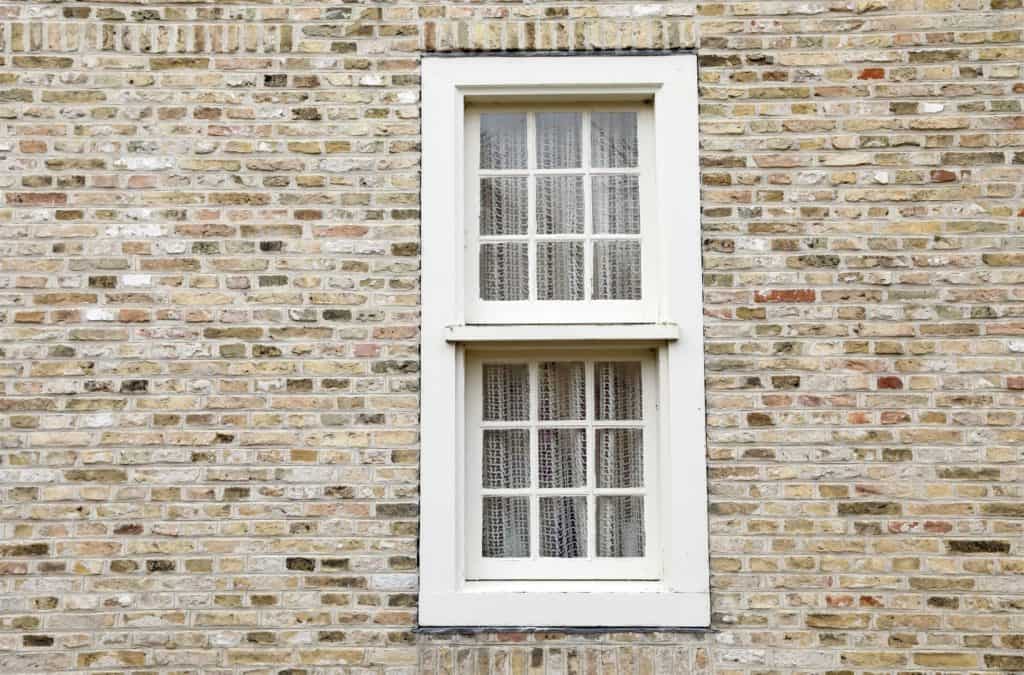
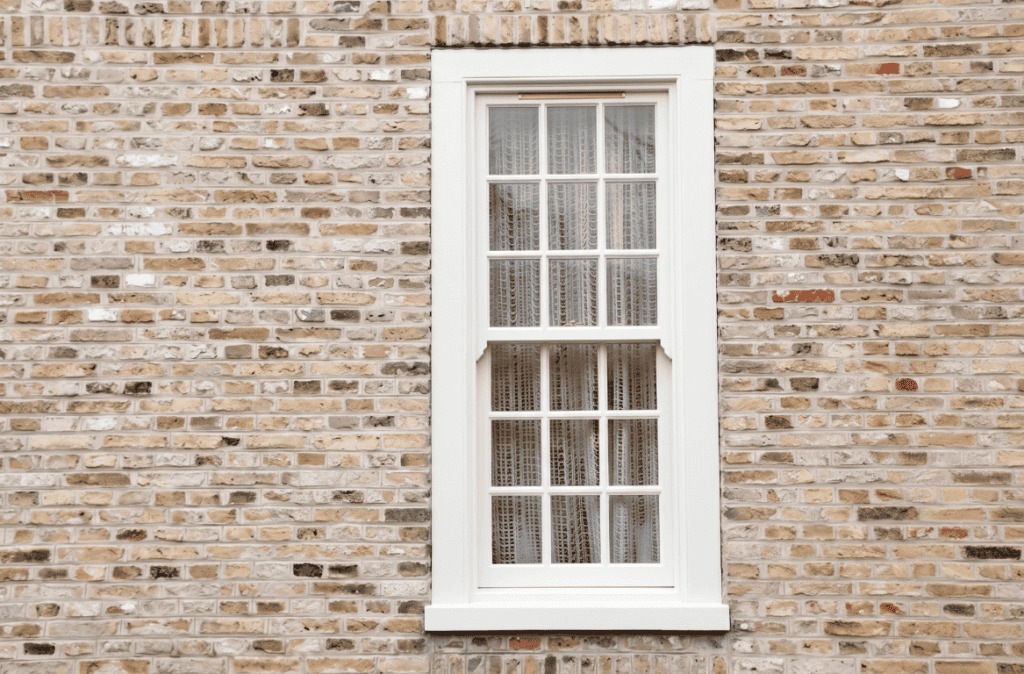
Window Alterations: Enhancing Comfort in Historic Homes
Maintaining a historic property in Scotland, whether it’s an Edinburgh tenement, a coastal home in Fife, or a traditional townhouse in Glasgow, comes with a specific set of responsibilities.
For many owners, the most pressing issue is the performance of traditional sash and case windows. Over time, original timber can become prone to draughts, rattles, and heat loss, leading many to seek modern solutions that respect the building’s heritage.
At ABC Architecture, we specialise in helping property owners upgrade their windows for superior thermal and acoustic performance. While based in Edinburgh, our deep expertise in navigating Scotland’s unique planning and heritage regulations allows us to deliver great results for projects across the country.
Common Scenarios for Window Alterations
Our clients typically seek window upgrades to solve practical, everyday problems. Common use cases include:


Navigating the Rules: Scotland & Beyond
The regulations for window changes are nuanced and vary depending on your property’s status and location.
1. Listed Buildings (Category A, B, or C)
LBC
If your property is listed, you almost always require Listed Building Consent (LBC) for any change to the glazing or frames.
Most Scottish local authorities now look favourably on “slimline” double glazing or vacuum glazing, provided the timber profiles and “reflection” match the original windows exactly.
2. Conservation Areas
Permitted Development
In May 2024, Scottish legislation introduced new “Permitted Development” rights (Class 7A) for windows in conservation areas. This changed how many homeowners approach upgrades.
In many cases, you may now apply for Prior Approval rather than full Planning Permission, provided the replacement is “substantially the same” as the original.
3. Unlisted Properties not in Protected Areas
In the Clear
If your home is not listed and sits outside a conservation area, you generally have more freedom to upgrade to modern double glazing without formal planning consent, though Building Standards for safety and insulation still apply.
The Critical Step: Never proceed with window alterations in a protected property without professional advice. Local authorities have the power to issue enforcement notices requiring you to reinstate original windows at your own expense. Our initial assessment ensures your investment is legally protected from day one.
Frequently Asked Questions
Our most commonly fielded questions from unsure clients when it comes to windows and glazing changes.
Can I install double glazing in a listed building?
Yes, in many instances. While standard thick double glazing is usually rejected, slimline double glazing or vacuum glazing (often as thin as 6mm to 10mm) is frequently approved. These units fit into traditional timber sashes without changing the historic sightlines.
My sash windows are rattling and draughty, is this a major project?
Not necessarily. Many issues can be solved through a professional “overhaul”, things like replacing cords, pulleys, and adding modern draught-stripping. However, if you want a significant boost in warmth, we can manage the consents for upgrading the glass itself.
Do I need a Building Warrant to replace windows?
In Scotland, if you are replacing windows on a “like-for-like” basis in terms of size and location, a Building Warrant is usually not required. However, if you are altering the opening (e.g., widening a window or creating French doors), a warrant is a legal necessity to ensure structural integrity.
Does ABC Architecture work outside of Edinburgh?
Absolutely. While we have deep roots in Edinburgh’s New Town and Southside, we provide architectural services and planning management for heritage projects across the Lothians, Fife, Glasgow, and the rest of the UK. We handle the local council negotiations regardless of where your property is located.
The ABC Approach: Technical Precision
Securing consent for window alterations requires a high level of technical detail. Planning officers often require 1:5 scale drawings of the “meeting rail” and “glazing bars” to prove the new windows won’t damage the building’s character.
We produce these detailed specifications and manage the entire application process, acting as the bridge between you, the planning office, and your chosen joinery specialist.
Ready to make those window changes you’ve been thinking about? Contact our experienced Architectural Designers today for a free, no-obligation consultation on 0131 510 8555 or via our contact form.